Kimpton’s boutique positioning and its relevance for business travel
To evaluate the hospitality and hotels company Kimpton on business travel, revenue leaders must first understand its boutique DNA. The company Kimpton Hotels & Restaurants emerged from San Francisco with a clear focus on intimate scale, local character, and high touch service that still shapes every kimpton hotel today. For OTA partners and CRS or PMS éditeurs, this positioning influences how hotels, restaurants, bars, and guest experience attributes should be surfaced in search and merchandising layers.
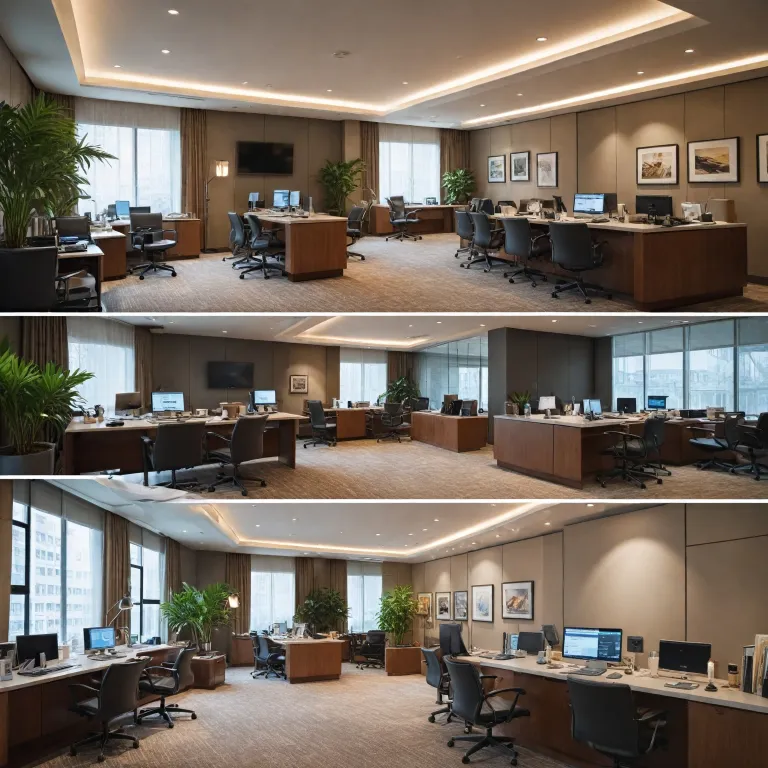
Kimpton hotels operate as lifestyle properties, yet they compete directly with larger hotels resorts for corporate contracts and negotiated rates. Business guests will find that each boutique hotel balances residential design with functional workspaces, which is critical when evaluating a hotel or multiple hotels for midweek demand. For digital directors and responsables e-commerce, this means that content about restaurants, bars, and meeting spaces must be structured so that corporate bookers can quickly assess whether a specific location aligns with policy and traveler profiles.
Because Kimpton is part of IHG Hotels & Resorts, the hospitality proposition is reinforced by the IHG Rewards ecosystem and its global reach. Corporate travelers can earn points through IHG Rewards and convert those points into future stays, which strengthens loyalty and repeat business for every kimpton hotel. When you evaluate the hospitality and hotels company Kimpton on business travel, this blend of boutique character, chain scale distribution, and loyalty benefits becomes a central argument for OTAs and hotel groups designing segmented offers.
IHG One Rewards, elite status and credit card levers for corporate travelers
Any attempt to evaluate the hospitality and hotels company Kimpton on business travel must examine loyalty economics. Kimpton hotels are fully integrated into IHG One Rewards, allowing guests to earn bonus points on every eligible stay and redeem those points across a broad portfolio of hotels resorts. For corporate travel managers, the ability to consolidate spend and rewards within a single account opening framework simplifies policy communication and supports measurable ROI.
Frequent travelers can pursue elite status within IHG Rewards, unlocking benefits that matter on tight business itineraries. Elite members often receive room upgrades at a kimpton hotel, late checkout, and enhanced benefits that reduce friction during high pressure trips. When guests will find consistent elite recognition at different locations, OTAs and PMS éditeurs can confidently highlight loyalty advantages in rate descriptions and upsell modules for business travel strategies for OTAs, PMS and hotel groups via specialized optimization frameworks.
Co branded credit card products linked to IHG Rewards add another layer of value for business travelers. Holders of an IHG affiliated credit card can earn bonus points faster, protect elite status more easily, and leverage statement credits that reduce total trip cost. For digital leaders in hotel companies, clearly surfacing credit eligibility, rewards points accrual, and elite benefits within booking flows helps evaluate the hospitality and hotels company Kimpton on business travel from a conversion and retention perspective.
Prime locations, urban connectivity and the value of restaurants and bars
Location strategy is central when you evaluate the hospitality and hotels company Kimpton on business travel. Many kimpton hotels occupy prime locations in major business hubs, where guests will find short transfer times to financial districts and convention centers. A prime location in San Francisco, for example, positions a kimpton hotel close to corporate headquarters, while another property in New York City places guests near key media and finance corridors.
Within these urban locations, hotels restaurants and on site bars become critical extensions of the guest experience for corporate travelers. Business guests often convert a restaurant bar or adjacent restaurants bars into informal meeting spaces, especially when privacy and time constraints limit external venue choices. For OTAs and CRS éditeurs, tagging hotels, restaurants, and bars with clear attributes such as private dining, power outlets, and quiet zones supports better filtering and helps evaluate the hospitality and hotels company Kimpton on business travel in terms of productivity.
Because Kimpton Hotels & Restaurants also manage their own dining concepts, the integration between hotel operations and F&B is tighter than in many hotels resorts. This allows revenue teams to package dining benefits, rewards points on F&B spend, and bar credits into corporate offers while aligning with evolving cancellation policy strategies outlined in industry best practices. When you evaluate the hospitality and hotels company Kimpton on business travel, the strength of its restaurants, bars, and overall dining proposition becomes a tangible differentiator.
Guest experience, wellness and personalization for business travelers
To rigorously evaluate the hospitality and hotels company Kimpton on business travel, digital leaders must look beyond room size and Wi Fi speed. Kimpton has long emphasized personalized guest experience, with touches such as evening social hours, in room yoga mats, and pet friendly policies that humanize the stay. For business travelers facing intense schedules, these elements of hospitality can significantly improve perceived value and emotional loyalty.
Wellness integration is particularly relevant for kimpton hotels in markets like South Beach or San Francisco, where guests will find strong demand for fitness, outdoor access, and healthy dining. A boutique hotel in a prime location that offers early morning classes, nutritious dining, and quiet zones for focused work can outperform larger hotels on satisfaction metrics. OTAs and PMS éditeurs should therefore structure content so that wellness, dining, and guest experience attributes are searchable, filterable, and visible at every stage of the booking journey.
Personalization also extends to corporate programs and small meeting needs at each kimpton hotel. Flexible spaces, tailored F&B packages, and the ability to earn bonus points on group bookings all contribute to a more compelling proposition for business accounts. When you evaluate the hospitality and hotels company Kimpton on business travel, these qualitative aspects of guest experience must be weighed alongside quantitative KPIs such as length of stay, ancillary spend, and IHG Rewards engagement.
Reservation strategy, distribution and the role of OTAs, PMS and CRS
From a Réservation Hôtelière perspective, to evaluate the hospitality and hotels company Kimpton on business travel is to analyze its distribution architecture. Kimpton hotels rely on a mix of direct channels, GDS connectivity, and OTA partnerships to reach corporate travelers and unmanaged business segments. For éditeurs PMS & CRS, the challenge is to ensure that rate plans, room types, and benefits such as rewards points and elite status recognition are accurately mapped and consistently displayed.
Directions digitales and responsables e commerce must also consider how kimpton hotels present corporate offers across different locations and markets. A kimpton hotel in New York City may prioritize midweek negotiated rates, while a property in South Beach might balance leisure and business demand with dynamic packaging. Strategic use of content, including detailed descriptions of hotels restaurants, restaurant bar concepts, and on site bars, helps OTAs and hotel groups evaluate the hospitality and hotels company Kimpton on business travel in terms of conversion potential.
For smaller markets or secondary cities, lessons from smart reservation strategies for economy hotels can inform how boutique hotel brands like Kimpton calibrate availability and pricing. By aligning PMS rules, CRS logic, and OTA content with IHG Rewards structures, hotels resorts within the Kimpton portfolio can maximize both occupancy and loyalty. This systems level view is essential when stakeholders evaluate the hospitality and hotels company Kimpton on business travel performance across a diverse footprint.
Regional case studies and quantitative signals for business travel suitability
Concrete regional examples help OTAs and hotel groups evaluate the hospitality and hotels company Kimpton on business travel with greater precision. In San Francisco, Kimpton Hotels & Restaurants operate from a central location that supports technology, finance, and creative industries, while in New York City the brand leverages dense corporate clusters and strong airlift. In resort markets such as South Beach or at flagship properties like Kimpton Seafire, the blend of leisure and corporate incentives requires nuanced revenue management and loyalty positioning.
Across these locations, guests will find that kimpton hotels consistently integrate restaurants, bars, and distinctive dining concepts into their value proposition. This allows business travelers to convert hotels restaurants and restaurants bars into semi private workspaces, client entertainment venues, or informal team hubs. When you evaluate the hospitality and hotels company Kimpton on business travel, the ability to earn bonus points on both room and F&B spend through IHG Rewards and eligible credit card products becomes a measurable advantage.
Quantitatively, Kimpton Hotels & Restaurants report 75 hotels and 75 restaurants supported by more than 8 000 employees, which signals meaningful scale for corporate programs. "Kimpton provides complimentary Wi-Fi, evening social hours, in-room yoga mats, and flexible meeting spaces." For OTAs, PMS éditeurs, and CRS providers, these statistics and service commitments provide a solid foundation to evaluate the hospitality and hotels company Kimpton on business travel, align merchandising strategies, and refine segmentation models for high value corporate guests.
Key quantitative signals for evaluating Kimpton on business travel
- Approximately 75 kimpton hotels operating under the Kimpton Hotels & Restaurants brand worldwide.
- Around 75 hotels restaurants integrated into the portfolio, reinforcing the dining and restaurant bar proposition.
- More than 8 000 employees supporting hospitality operations, guest experience, and corporate programs.
Frequently asked questions about Kimpton and business travel
What amenities does Kimpton offer for business travelers?
Kimpton provides complimentary Wi-Fi, evening social hours, in-room yoga mats, and flexible meeting spaces.
Does Kimpton have a loyalty program suitable for frequent business travelers?
Yes, Kimpton participates in IHG One Rewards, enabling guests to earn points, pursue elite status, and access member only rates that support frequent corporate travel.
Are there corporate rates available at Kimpton hotels?
Kimpton offers corporate rates and tailored programs for small and mid sized businesses, which can be integrated into OTA, PMS, and CRS workflows for negotiated accounts.
How does Kimpton balance boutique character with chain scale reliability?
The company combines locally inspired boutique hotel design with the global systems, IHG Rewards infrastructure, and distribution capabilities of IHG Hotels & Resorts.
Is Kimpton suitable for meetings and small corporate events?
Many kimpton hotels provide flexible meeting spaces, on site restaurants bars for catering, and technology support, making them well suited to small meetings and executive gatherings.
References
- https://www.kimptonhotels.com
- https://www.ihg.com/onerewards
- https://www.reservationstrategy.com/blog
