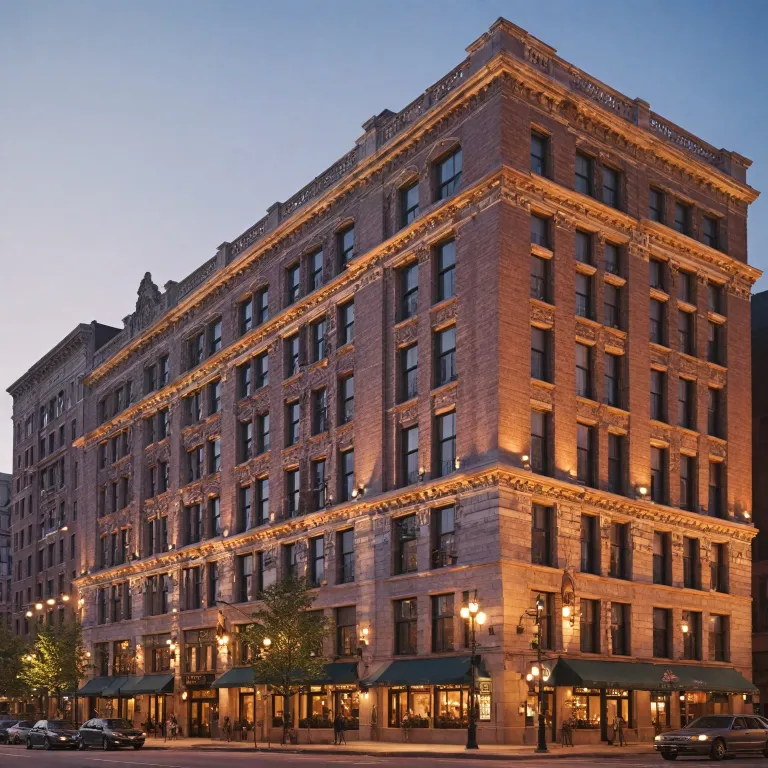
The architectural and cultural legacy of the Lexington Hotel Chicago
The Lexington Hotel Chicago stood as a ten story landmark on Michigan Avenue, shaping the city’s hospitality landscape from its opening. Designed by Clinton J. Warren, the building’s architecture reflected the ambitions of a city preparing for the Columbian Exposition. The hotel’s grand lobby, expansive rooms, and ornate details made it a premier destination for business and leisure travelers alike. Over time, the Lexington adapted to the evolving needs of the city Chicago, transitioning from luxury hotel to residential hotel as the South Side changed.
Its proximity to the bustling Michigan Ave and the city’s commercial heart positioned the Lexington Hotel as a hub for business and social gatherings. The building’s transformation mirrored broader shifts in hospitality, where hotels became more than places to sleep—they were centers of commerce, networking, and urban culture. The story hotel’s evolution from a luxury property to a low-rent residential hotel illustrates the challenges faced by historic hotels in adapting to new market realities. The hotel Chicago narrative is inseparable from the city’s own growth, with each floor and office space reflecting the changing demands of guests and residents.
By the time the hotel closed, the Lexington had become a symbol of both the city’s grandeur and its struggles with urban decline. Its demolition marked the end of an era, but the site’s redevelopment into a modern residential building continues the tradition of hospitality and community engagement. The legacy of the Lexington Hotel Chicago endures in the city’s collective memory, influencing how hoteliers and digital leaders approach the preservation and reinvention of historic properties.
Al Capone, the Chicago Tribune, and the mythos of the Lexington Hotel
The Lexington Hotel’s association with Al Capone transformed it from a simple Michigan hotel into a global icon of intrigue and notoriety. From 1928 to 1932, Capone headquarters operated from the second floor, with the hotel’s rooms and offices serving as the nerve center for his business operations. The Chicago Tribune chronicled the hotel’s role in the city’s criminal underworld, cementing its reputation in both local and international media. The building’s connection to the mystery Capone and the infamous Capone vaults fueled public fascination, drawing attention from historians, journalists, and tourists alike.
During this period, the Lexington Hotel Chicago became synonymous with the city’s tumultuous Prohibition era. The hotel’s contract with secrecy and discretion allowed Capone and his associates to conduct business away from prying eyes. The story hotel’s corridors witnessed deals, negotiations, and the daily operations of one of America’s most notorious figures. The Chicago lexington became a symbol of both the city’s resilience and its vulnerability to organized crime.
Even after the hotel closed, the legend of Capone headquarters and the Capone vaults persisted, inspiring documentaries and public events. The Tribune November coverage of the hotel’s demolition highlighted the end of an era, but also the enduring fascination with the building’s past. Today, the site’s history is preserved through digital archives and historical societies, ensuring that the legacy of the Lexington Hotel Chicago continues to captivate new generations.
Digital transformation in hotel reservations: lessons from the Lexington Hotel Chicago
The evolution of the Lexington Hotel Chicago offers valuable insights for OTA, PMS & CRS editors, and digital directors navigating today’s hospitality landscape. The transition from traditional booking methods to digital platforms has reshaped how hotels manage contracts, share inventory, and engage with guests. The story hotel’s journey from a bustling business hub to a residential hotel underscores the importance of adapting reservation strategies to changing market conditions.
Modern hotel chicago operators leverage advanced reservation systems to optimize room allocation, pricing, and guest experience. The integration of digital tools enables real-time updates on room availability, streamlining the booking process for both guests and staff. As the city chicago continues to attract visitors, the ability to manage reservations efficiently becomes a critical differentiator for hotels on Michigan Ave and beyond. The lessons learned from the Lexington’s operational challenges inform best practices for today’s digital leaders.
For those seeking to deepen their expertise in digital hospitality, resources such as hotel reservation system best practices provide actionable guidance. By embracing innovation while honoring the legacy of historic properties, hoteliers can create memorable experiences that resonate with both business and leisure travelers. The sunbow foundation and other preservation groups highlight the importance of balancing technological advancement with respect for the city’s architectural heritage.
Preservation, redevelopment, and the future of historic hotel sites
The demolition of the Lexington Hotel Chicago sparked debates about the preservation of historic buildings and the role of hospitality in urban redevelopment. Despite its landmark status, the hotel closed due to structural issues and failed renovation attempts, paving the way for a new residential high-rise. This transition reflects broader trends in city chicago, where historic sites are often replaced by modern structures to meet evolving business and residential needs.
Preservationists and hospitality professionals face complex decisions when balancing the desire to maintain architectural heritage with the demands of contemporary urban life. The renamed Michigan site now serves as a case study in adaptive reuse, demonstrating how former hotel sites can be transformed to serve new purposes. The sunbow foundation and other organizations advocate for the thoughtful integration of historic elements into new developments, ensuring that the story hotel’s legacy is not lost.
For groups hoteliers and e-commerce leaders, the redevelopment of the Lexington Hotel Chicago offers lessons in stakeholder engagement, contract negotiation, and project management. The city’s approach to balancing preservation and progress can inform strategies for other historic hotels facing similar challenges. By fostering collaboration between public and private sectors, the hospitality industry can ensure that the spirit of iconic properties endures in the fabric of city life.
Operational challenges and opportunities in historic hotel management
Managing a property like the Lexington Hotel Chicago required navigating a complex web of operational, regulatory, and market challenges. The building’s age, size, and historical significance demanded specialized expertise in maintenance, compliance, and guest services. The hotel’s transition from luxury accommodation to residential hotel highlighted the need for flexible business models and adaptive management strategies.
For OTA, PMS & CRS editors, and digital directors, the story hotel’s operational history underscores the importance of robust reservation systems, clear contract terms, and effective communication with guests and partners. The hotel’s experience with fluctuating occupancy rates, changing business share, and evolving guest expectations provides a roadmap for addressing similar issues in today’s market. The integration of digital tools and data analytics enables hotels to anticipate trends, optimize resource allocation, and enhance the guest experience.
As the hospitality industry continues to evolve, the lessons from the Lexington Hotel Chicago remain relevant for hoteliers seeking to balance tradition and innovation. The city’s commitment to preserving its architectural heritage while embracing new technologies serves as a model for sustainable growth and operational excellence. For further insights on optimizing hotel operations, explore digital transformation in hospitality management.
Community engagement, storytelling, and the enduring appeal of the Lexington Hotel Chicago
The Lexington Hotel Chicago’s story extends beyond its physical structure, resonating with the community and inspiring ongoing engagement. The building’s association with figures like Al Capone and its coverage in the Chicago Tribune have cemented its place in popular culture. As one expert noted, "The Lexington Hotel was known for being the headquarters of notorious gangster Al Capone from 1928 to 1932." This narrative continues to attract interest from historians, journalists, and the public.
Community organizations such as the sunbow foundation and the South Loop Historical Society play a vital role in preserving and sharing the hotel’s legacy. Digital platforms and social media enable new forms of storytelling, allowing residents and visitors to connect with the city’s past. The integration of historical narratives into marketing and guest experiences enhances the appeal of hotel chicago properties, fostering a sense of place and continuity.
For hospitality leaders, leveraging the story hotel’s rich history can differentiate their offerings and deepen guest engagement. By collaborating with local partners and embracing innovative storytelling techniques, hotels can create memorable experiences that honor the city’s heritage.
Key statistics: Lexington Hotel Chicago and hospitality transformation
- Year of construction: 1892
- Years as Al Capone's headquarters: 4
- Year of demolition: 1995
Frequently asked questions about the Lexington Hotel Chicago
What was the Lexington Hotel in Chicago known for?
The Lexington Hotel was known for being the headquarters of notorious gangster Al Capone from 1928 to 1932.
Why was the Lexington Hotel demolished?
Despite its historical significance and landmark status, the Lexington Hotel was demolished in 1995 due to unsuccessful renovation attempts and structural issues.
What stands on the site of the former Lexington Hotel now?
The site is now occupied by a 296-unit residential high-rise known as The Lex, completed in 2012.
