Understanding where to stay in Chicago first time as a strategic choice
For a first time visit, choosing where to stay in Chicago is both an emotional and operational decision. The city’s mosaic of neighborhood identities, from the Loop to River North and the Magnificent Mile, shapes guest expectations while also redefining how hotels, OTAs, and CRS or PMS éditeurs structure their réservation hôtelière strategies. When hospitality leaders analyse where to stay in Chicago first time, they are in fact segmenting demand by neighborhood, travel purpose, and proximity to top attractions.
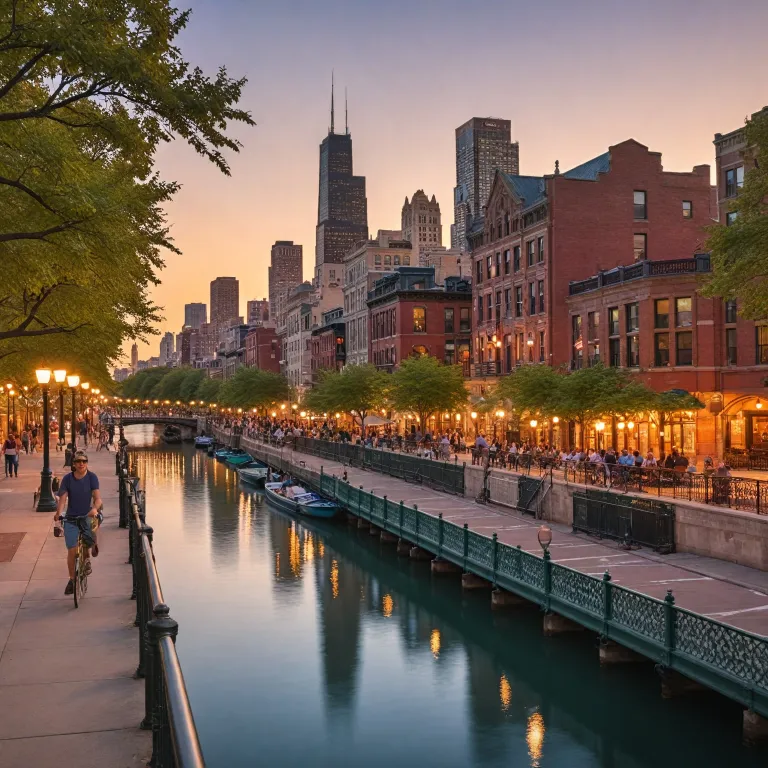
The Loop is often recommended for first-time visitors due to its central location and proximity to major attractions. This single sentence encapsulates how downtown Chicago functions as a natural hub, with the Chicago River, Millennium Park, and easy access to Navy Pier forming a compact, high value area for both leisure and business demand. For digital directions and responsables e-commerce, mapping pros and cons of each area into booking flows helps transform a generic stay Chicago query into a curated, high conversion journey.
When travellers ask where to stay in Chicago first time, they rarely distinguish between downtown and specific neighborhoods such as River North, West Loop, or the South Loop. Yet each neighborhood, from the art focused River North to the restaurant driven West Loop, offers different ADR potential, stay patterns, and channel mix for hotels. Aligning recommended hotels and best hotels lists with these micro demand profiles allows OTAs and hotel groups to surface the best area for each guest type while protecting rate integrity and inventory utilisation.
Mapping Chicago neighborhoods to guest intent and inventory strategy
For OTAs and CRS platforms, the real question is not only where to stay in Chicago first time, but which neighborhood narrative best matches each traveller’s intent. Downtown Chicago, anchored by the Loop and the Magnificent Mile, concentrates corporate demand, major events, and easy access to the Chicago River, Lake Michigan, and Navy Pier. This makes the area ideal for short stays, high occupancy, and dynamic pricing models that reflect peaks around top attractions and conventions.
River North is known for its vibrant nightlife, including numerous bars, clubs, and restaurants. This neighborhood, together with nearby Streeterville and the Magnificent Mile, is often perceived by guests as a single extended downtown area, even though rate behaviour and room type demand can differ significantly. By tagging hotels precisely by neighborhood and micro location, platforms can present pros and cons transparently, such as higher rates but shorter walking distances to the lake or Chicago River.
To the west, the West Loop and Fulton Market have evolved into lifestyle hubs where boutique hotels and design forward rooms attract younger, experience driven travellers. South of the central core, the South Loop and Hyde Park connect guests to Soldier Field, the Museum Campus, and the University of Chicago, offering a different balance between price, space, and access to Lake Michigan. Further north, Lincoln Park, the Gold Coast, and River North frame a continuum of residential feeling neighborhoods where stay Chicago searches can be steered toward quieter streets, parks, and lakefront paths while still remaining close to downtown.
Designing reservation flows around best area choices and room typologies
When a guest searches where to stay in Chicago first time, the reservation journey should immediately translate that intent into structured choices by area, budget, and stay purpose. Instead of a flat list of hotels, OTAs and PMS or CRS éditeurs can present curated clusters such as “best area for first time visitors near the Loop and Magnificent Mile” or “river North and Gold Coast for nightlife and dining”. This approach allows recommended hotels to be framed within clear pros and cons, reducing choice overload while increasing perceived transparency.
Rooms inventory can then be surfaced according to micro preferences, such as views of Lake Michigan, proximity to a park, or walking distance to Navy Pier or Soldier Field. For example, a stay Chicago search focused on families might prioritise larger rooms in South Loop or Lincoln Park, close to museums and green spaces, while couples may prefer boutique hotels in River North or Wicker Park. By embedding these distinctions into CRS logic, directions digitales can align merchandising with real world guest expectations about neighborhoods and top attractions.
From a revenue perspective, segmenting where to stay in Chicago first time by neighborhood also supports more granular forecasting. Downtown Chicago and the Loop may show strong weekday compression, while West Loop and Wicker Park might peak around weekends and events. Linking these patterns to channel specific offers, such as best hotels packages on OTAs or direct booking advantages in certain neighborhoods, helps hotel groups balance occupancy, ADR, and distribution costs across town.
Leveraging data from Chicago’s parks, lakefront, and cultural corridors
For many first time visitors, the emotional anchor of where to stay in Chicago first time is the relationship between the city, the park system, and Lake Michigan. Neighborhoods like Lincoln Park, Grant Park near the South Loop, and smaller green spaces in River North or Wicker Park influence how guests perceive value, even when they primarily book based on price and star rating. OTAs and CRS éditeurs can enrich réservation hôtelière data by tagging hotels with attributes such as “steps from a park”, “lake view rooms”, or “short walk to the Chicago River”.
These attributes are particularly relevant for stays near the Magnificent Mile, Gold Coast, and Navy Pier, where proximity to Lake Michigan and the lakefront trail is a major differentiator. When guests compare best area options, they often weigh the pros and cons of being directly on Michigan Avenue versus a quieter street in River North or the Gold Coast. By quantifying walking distances in metres and minutes, platforms can turn qualitative neighborhood descriptions into actionable filters that support where stay decisions.
Further south, Hyde Park offers access to parks, museums, and the lakefront, but sits outside the traditional downtown Chicago frame. For a first time visitor, this area may be ideal when the primary purpose is campus visits or cultural exploration rather than business in the Loop. Integrating such nuanced positioning into recommended hotels lists, and clearly stating how long it takes to reach top attractions by public transport, reinforces trust and reduces post booking dissatisfaction across neighborhoods.
Aligning content, merchandising, and reservation technology around Chicago
To fully answer where to stay in Chicago first time, hospitality actors must align inspirational content with robust réservation hôtelière infrastructure. Editorial teams can craft neighborhood guides that explain how the Loop, River North, West Loop, and South Loop differ in rhythm, price, and access to top attractions, while CRS and PMS éditeurs ensure that these narratives are reflected in filters, room descriptions, and rate plans. This alignment turns static hotel listings into dynamic, guest centric journeys through Chicago’s neighborhoods.
One effective approach is to integrate case studies on extended stay and urban performance, such as insights from modern hotel reservation strategies, and adapt the learnings to downtown Chicago and its surroundings. For example, extended stay guests may favour West Loop, Lincoln Park, or Wicker Park for their residential feel, while short stay leisure travellers gravitate toward the Magnificent Mile, Gold Coast, or River North. Mapping these patterns helps responsables e-commerce craft targeted campaigns that highlight best hotels and recommended hotels in each area.
At the same time, content must remain honest about pros and cons, such as higher noise levels in certain downtown blocks or longer transit times from Hyde Park to the Loop. Transparent communication about where stay options, including room sizes, views of Lake Michigan, and access to parks or the Chicago River, strengthens perceived authority. Over time, this consistency between narrative and reality builds loyalty among guests who return to Chicago and rely on the same platforms to choose their next neighborhood.
From first time stays to long term loyalty in Chicago’s hotel ecosystem
When a traveller asks where to stay in Chicago first time, the answer can shape not only one trip, but a lifetime relationship with the city and its hotels. A seamless experience in downtown Chicago, near the Loop, River North, or the Magnificent Mile, often becomes the reference point against which future neighborhoods like West Loop, Wicker Park, or Hyde Park are evaluated. For hotel groups and OTAs, this means that the first stay Chicago experience is a critical moment for capturing data, preferences, and feedback about neighborhoods, room types, and perceived value.
By analysing reviews and behavioural data, directions digitales can identify which best area narratives resonate most strongly, such as “walk to Navy Pier and Lake Michigan”, “close to Soldier Field and Museum Campus”, or “local restaurants in Wicker Park and West Loop”. These insights can then be fed back into CRS and PMS rules, refining how recommended hotels and best hotels are ranked for future first time visitors. Over time, the ecosystem learns which combinations of area, price, and amenities generate the highest satisfaction and repeat intent.
Ultimately, the sophistication with which the industry answers where to stay in Chicago first time becomes a proxy for its overall maturity in réservation hôtelière. Platforms that integrate neighborhood level data, transparent pros and cons, and human centric storytelling will outperform generic listings that treat all hotels and neighborhoods as interchangeable. In a city defined by its lakefront, parks, and diverse town character from north to south, the most successful actors will be those who turn Chicago’s complexity into clarity for every guest.
Key quantitative insights on Chicago neighborhoods and hotel demand
- Downtown Chicago, including the Loop, River North, and the Magnificent Mile, concentrates a significant share of first time visitor stays due to proximity to top attractions and business districts.
- Neighborhoods such as West Loop, Wicker Park, and Lincoln Park show growing demand from leisure travellers seeking local restaurants, nightlife, and residential style streets.
- Areas near Lake Michigan, Navy Pier, and major parks command higher average daily rates, especially during peak leisure periods and event weekends.
- South Loop and Hyde Park capture a notable portion of stays linked to cultural institutions, universities, and events at Soldier Field and the Museum Campus.
Frequently asked questions about where to stay in Chicago first time
Which Chicago neighborhood is best for first-time visitors?
The Loop is often recommended for first-time visitors due to its central location and proximity to major attractions. From here, guests can walk to Millennium Park, the Chicago River, and quickly reach Navy Pier or the Museum Campus by public transport. It is also well connected to other neighborhoods such as River North, West Loop, and South Loop.
What is the Magnificent Mile known for?
The Magnificent Mile is renowned for its luxury shopping, dining options, and notable landmarks. Travellers choosing to stay near this stretch of Michigan Avenue benefit from easy access to Lake Michigan, Navy Pier, and a dense concentration of hotels. It is often considered one of the best area choices for visitors who want a classic downtown Chicago experience.
Is River North suitable for nightlife?
Yes, River North is known for its vibrant nightlife, including numerous bars, clubs, and restaurants. The neighborhood also offers a wide range of hotels, from boutique properties to larger brands, making it attractive for both leisure and business travellers. Its location just north of the Loop and close to the Chicago River provides convenient access to other downtown neighborhoods.
How should first-time visitors choose between downtown and outlying neighborhoods?
First-time visitors who prioritise top attractions, short stays, and easy transport usually prefer downtown Chicago, especially the Loop, River North, and the Magnificent Mile. Those seeking a more local atmosphere, longer stays, or lower prices may look to neighborhoods such as Lincoln Park, Wicker Park, or Hyde Park. The choice depends on balancing pros and cons around budget, travel purpose, and desired proximity to Lake Michigan or major cultural sites.
Are neighborhoods like West Loop and South Loop convenient for tourists?
West Loop and South Loop are increasingly popular among tourists who value dining, culture, and slightly quieter streets compared with the busiest downtown blocks. West Loop offers acclaimed restaurants and easy access to the Loop, while South Loop provides proximity to Soldier Field, the Museum Campus, and Grant Park. Both neighborhoods can be excellent options for where to stay in Chicago first time when guests understand transit options and walking distances to their priority attractions.
