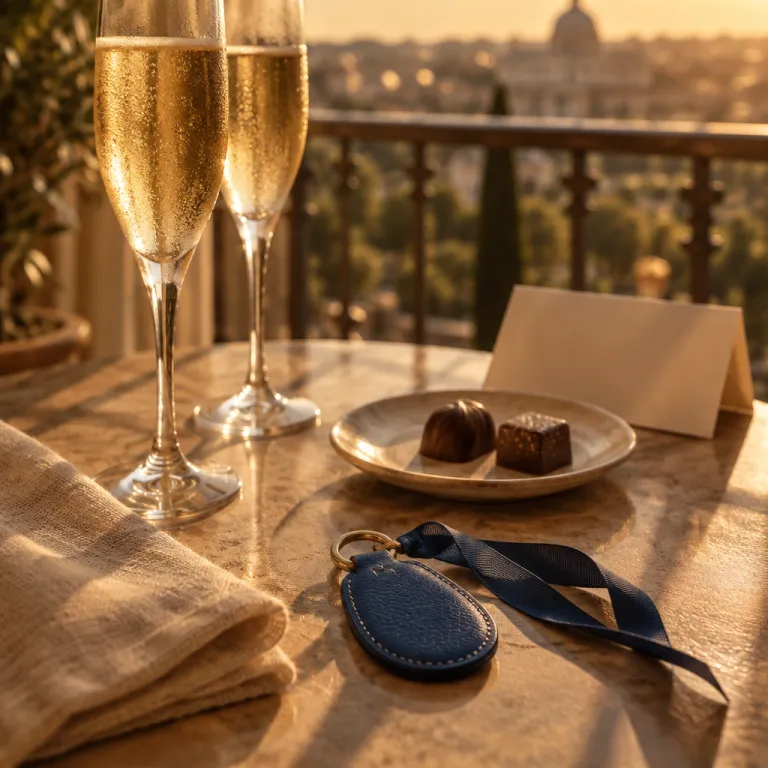
From generic search to intimate stay: decoding “romantic escapes near me”
When a guest types a query like “romantic escapes near me”, they are rarely browsing casually. They are signalling high intent for a couples’ getaway, often with a clear date, a preferred room type, and a willingness to pay for emotion rather than square metres. For OTAs, PMS and CRS vendors, and hotel groups, the challenge is to translate that vague romantic search into a concrete stay that feels personal, from the first click to the last breakfast morning.
Most couples arrive with a mental picture that blends a cosy room, a discreet spa, and an intimate dinner rather than a standard package with generic benefits. They want to enjoy a tailored romantic experience that might include a hot tub, chocolate-covered treats, and the option to linger longer without feeling rushed at check-out. When the digital journey fails to surface these romantic getaways at the right time, they quickly book elsewhere, even if your property or inn is physically closer.
Hospitality teams need to treat the search for nearby romantic breaks as a micro-segment with its own UX rules, pricing logic, and merchandising language. A couple planning a romantic getaway in Kansas, for example, expects different visuals, copy, and offers than a corporate traveller booking a single night on Main Street. The main content of your booking flow must therefore prioritise emotional cues, while still allowing power users to skip main filters and refine by room, breakfast included options, or spa access.
Designing UX journeys that feel like a private concierge for couples
When the intent is romantic, the booking UX should behave like a discreet concierge rather than a catalogue. That means your CRS and PMS data must surface couples-oriented stay patterns, such as two-night stays with late breakfast served and a preference for a quiet dining room instead of a busy bar. For OTAs and digital teams, this is where UX microcopy, layout, and the order of steps can make or break conversion for romantic getaways.
Start by asking a simple question early in the flow, such as whether the guests are planning a romantic getaway or a family trip, then adapt the interface accordingly. If they select a couples’ stay or a romantic escape nearby, prioritise room cards that highlight a hot tub, a private balcony, or an in-room spa bath, and clearly show whether breakfast included or bed and breakfast formats are available. Use your PMS data to pre-configure stay lengths that match couples’ behaviour, like two- or three-night stays with a flexible morning checkout, and show how the package includes elements such as wine pairings, craft beer flights, or chocolate-covered strawberries.
Personalisation should also extend to upgrade logic, especially when you manage multiple room categories across a group. By connecting your CRS to intelligent room upgrade algorithms, you can decide which couples receive an offer for a spa suite or a balcony room at the exact time they are most likely to book. A detailed explanation of how such room upgrade algorithms work in practice can be found in this article on AI driven upgrade decisioning, which shows how timing and segmentation dramatically influence uptake.
Packaging romance: from static offers to dynamic, data driven bundles
Static romance packages with a bottle of wine and late checkout no longer impress digitally savvy couples. Guests searching for romantic escapes near me or similar phrases expect to see flexible package options that adapt to their preferences, budget, and time constraints. For hotel groups and e-commerce leaders, this means building modular offers where the package includes core elements plus optional add-ons that can be toggled on or off.
A well-structured romantic getaway package might start with a superior room, breakfast included, and access to the spa, then allow couples to add a private dinner in the dining room, chocolate-covered strawberries in the room, or a hot tub session with wine and beer pairing. The same logic can be applied to lunch or breakfast served in bed, giving guests the choice to leave the room for Main Street cafés or enjoy a quiet bed and breakfast style morning. When OTAs and PMS providers expose these options clearly in the main content of the booking path, couples can plan their stay in a way that feels curated rather than pre-scripted.
Dynamic packaging also supports better revenue management for romantic getaways, because you can adjust the price of each element based on demand and seasonality. For example, a Kansas countryside inn might promote a two-night romantic getaway where the package includes a picnic lunch, a spa treatment, and a candlelit dinner, while an urban property focuses on theatre tickets and late-night wine or craft beer tastings. To see how spacious layouts and suite configurations influence perceived value for couples, review this case study on two room suites for modern travellers, then adapt similar principles to your romantic segments.
Local context and sense of place in romantic digital storytelling
Romantic escapes near me are inherently local, even when booked through global OTAs or brand sites. Couples often want to spend time together without long transfers, which makes proximity, neighbourhood character, and Main Street ambience part of the value proposition. Your UX and content strategy should therefore weave local cues into every step of the booking journey, from the first hero image to the final breakfast morning confirmation email.
Highlight how your property or inn connects to its surroundings in ways that feel romantic rather than touristic. A boutique hotel in Kansas might emphasise sunset walks, small-town Main Street dining rooms, and a bed and breakfast style welcome with breakfast served on the porch, while an urban spa hotel focuses on skyline views and private hot tub terraces. When guests can picture how they will enjoy their time together, from dinner to breakfast included options, they are more likely to book directly and linger longer.
Local partnerships also enrich the package includes section of your offers, especially for romantic getaways that extend beyond the room. Collaborate with nearby wineries for wine and beer tastings, chocolatiers for chocolate-covered strawberries, or galleries for after-hours visits that encourage couples to leave the room and explore. These elements should be clearly structured in the main content of your booking engine, with optional toggles that allow guests to plan their stay and plan their trip without needing to skip main steps or call the front desk.
Optimising the booking journey for emotional reassurance and low friction
When couples search for romantic escapes near me or similar local romantic breaks, they are not only comparing prices; they are seeking reassurance that their romantic getaway will feel seamless. Every friction point in the booking journey, from unclear room descriptions to hidden breakfast included conditions, erodes that emotional confidence. OTAs, CRS providers, and hotel groups must therefore treat UX friction as a direct threat to conversion for romantic getaways.
Start by simplifying the path from search to room selection, ensuring that the main content is free from clutter and that skip main links are available for accessibility without distracting most guests. Each room card should clearly state whether breakfast served in the dining room, breakfast included in the rate, or a well-balanced breakfast basket in the room is part of the package, and whether the package includes extras such as spa access or a private hot tub. Transparent information about dinner, lunch, and wine or beer options helps couples plan their stay and spend time on what matters, rather than decoding rate codes.
Post-booking communication is equally critical for maintaining trust and anticipation. Confirmation emails for romantic stays should restate the key elements of the package, from chocolate-covered strawberries on arrival to breakfast morning timings, and offer easy ways to add experiences without restarting the booking. When guests feel that every detail of their romantic getaway is handled well, they arrive more relaxed, more willing to linger longer, and more open to on-site upsells that enhance both their stay and your revenue.
Data, measurement, and continuous optimisation of romantic segments
Personalising digital experiences for guests searching for romantic escapes near me requires more than creative copy; it demands rigorous data collection and analysis. OTAs, PMS providers, and e-commerce leaders should define clear KPIs for romantic getaway performance, such as conversion rate by package type, average length of stay, and attachment rate for spa or dinner add-ons. These metrics allow you to compare the impact of different UX treatments, from how you present the room to how you describe breakfast served or breakfast included.
Segment your data by intent signals, such as searches that include romantic getaway or romantic getaways, and by behaviour, such as couples who choose a hot tub suite or a bed and breakfast style rate. Analyse how often guests add chocolate-covered strawberries, wine pairings, beer tastings, or late checkout when the package includes them by default versus when they are optional extras. Over time, you will see patterns that inform whether to promote a Kansas countryside inn package, an urban spa property offer, or a Main Street boutique stay more prominently in the main content of your booking engine.
Continuous testing should extend to small but meaningful details, such as whether guests prefer breakfast morning served in the dining room or a well-prepared breakfast tray delivered to the room. Track how many couples choose to leave the room for lunch or dinner versus those who prefer to spend time in their suite and linger longer over in-room dining. By aligning UX, content, and pricing with these insights, hotel groups and digital teams can transform generic searches for romantic escapes near me into high-margin, emotionally resonant stays that feel as carefully curated as any on-site concierge service.
Key figures on personalisation and romantic booking behaviour
- McKinsey has reported that companies achieving high levels of personalisation can generate 10 to 15 percent more revenue from their customers, which directly supports investment in tailored romantic getaway journeys.1
- According to a study by Accenture, 91 percent of consumers are more likely to shop with brands that provide relevant offers and recommendations, a behaviour that mirrors how guests react to personalised romantic getaways and spa packages.2
- Booking.com has indicated in various traveller surveys that more than half of global travellers value unique, local experiences over standardised stays, which reinforces the importance of localised Main Street storytelling for romantic escapes near me.3
- Research from Deloitte has shown that reducing friction in digital check-out flows can increase conversion rates by up to 20 percent, highlighting how UX optimisation around room selection and breakfast included clarity can materially impact romantic segment revenue.4
FAQ about digital personalisation for romantic escapes near me
How can OTAs better identify guests looking for a romantic getaway ?
OTAs can detect romantic getaway intent by analysing search terms, stay patterns, and party composition, such as two adults with weekend dates and flexible check-in times. When a query includes phrases like romantic escapes near me or romantic weekend nearby, the interface should prioritise couples-friendly room types, spa access, and packages where the package includes dinner or breakfast included. Explicit questions in the funnel, such as asking whether the trip is romantic or business related, further refine targeting without adding significant friction.
What role should PMS and CRS systems play in personalising romantic offers ?
PMS and CRS platforms hold the historical data needed to understand how couples behave across properties, from preferred room categories to uptake of spa or dining room experiences. By exposing this data through APIs, these systems allow OTAs and brand sites to build dynamic packages where the package includes elements like chocolate-covered strawberries, wine pairings, beer tastings, or breakfast served in bed for romantic getaways. They also support rules-based or AI driven upgrade engines that prioritise couples for hot tub suites or higher floor rooms when availability allows.
How can hotel groups design packages that feel romantic without being cliché ?
Hotel groups should start from real guest feedback rather than assumptions, identifying which elements couples actually enjoy, such as private spa sessions, flexible breakfast morning times, or quiet Main Street walks. Packages for romantic escapes near me can then combine a well-appointed room, a choice between dining room dinner or in-room service, and optional experiences like wine tastings, craft beer pairings, or local cultural visits. Keeping the package modular, where the package includes a core set of benefits plus optional add-ons, prevents offers from feeling formulaic.
How important is breakfast design for the romantic segment ?
Breakfast is often the last major touchpoint of a romantic getaway, so its design strongly influences overall satisfaction. Couples value choice between breakfast included buffets, breakfast served in the dining room, or a more intimate bed and breakfast style tray in the room, especially when they want to linger longer and spend time together. Clear communication in the booking flow about whether a rate includes a well-prepared breakfast, a full breakfast morning experience, or à la carte options reduces disappointment and supports higher perceived value.
What UX elements most strongly impact conversion for romantic escapes near me ?
High-impact UX elements include emotionally resonant imagery of the room and spa, transparent information about what the package includes, and simple toggles for dinner, lunch, or chocolate-covered extras. A clean layout that keeps the main content focused on romantic getaways, while still offering skip main options for accessibility, helps guests stay emotionally engaged. Fast-loading pages, clear pricing, and reassurance about flexible changes or cancellations further reduce hesitation and encourage couples to book their romantic getaway with confidence.
References and implementation notes
1 McKinsey & Company, “The value of getting personalization right—or wrong—is multiplying,” 2021. The report quantifies 10–15% revenue uplift for companies that excel at personalisation.
2 Accenture, “Personalization Pulse Check,” 2018. The study finds that 91% of consumers are more likely to shop with brands that provide relevant offers and recommendations.
3 Booking.com, “Travel Predictions” and related traveller sentiment surveys (various years). Multiple waves highlight that a majority of travellers prioritise distinctive, local experiences over standardised stays.
4 Deloitte Digital, “The checkout benchmark” and related e-commerce friction studies. Analyses show that streamlining digital checkout can lift conversion by up to ~20%.
Example implementation: booking-flow and data mapping
A practical way to operationalise this guidance is to add a lightweight “trip intent” step between date selection and room results. In a wireframe, this appears as a single screen with three buttons: “Romantic escape”, “Family break”, and “Business trip”. Selecting “Romantic escape” sets an internal flag (for example, trip_intent = ROMANTIC) that is passed to your CRS or booking API.
At field level, the front end sends a request such as { check_in, check_out, adults, children, trip_intent, preferred_amenities: ["spa", "hot_tub"], channel }. The CRS responds with room types and packages already ranked for couples, using attributes like is_couples_friendly, has_private_spa, includes_breakfast, and includes_late_checkout. Your PMS then records the same trip_intent flag on the reservation, allowing you to analyse attachment rates for extras such as chocolate-covered strawberries or wine pairings across romantic stays.
Simple A/B test plan for romantic UX journeys
To validate impact, run an A/B experiment on visitors whose behaviour suggests couples’ intent (for example, two adults, weekend dates, local IP). In Variant A (control), show your current booking flow. In Variant B (test), insert the “trip intent” step and reorder room cards so that romantic packages with breakfast included, spa access, and late checkout appear first.
Track KPIs including: (1) overall conversion rate from search to booking, (2) average length of stay for romantic trips, (3) attachment rate and revenue per booking for romantic add-ons (spa, dinner, chocolate-covered extras), and (4) share of bookings selecting flexible cancellation. A realistic success criterion is a 5–10% relative uplift in conversion and a measurable increase in ancillary revenue per romantic booking, in line with the personalisation benchmarks cited above.