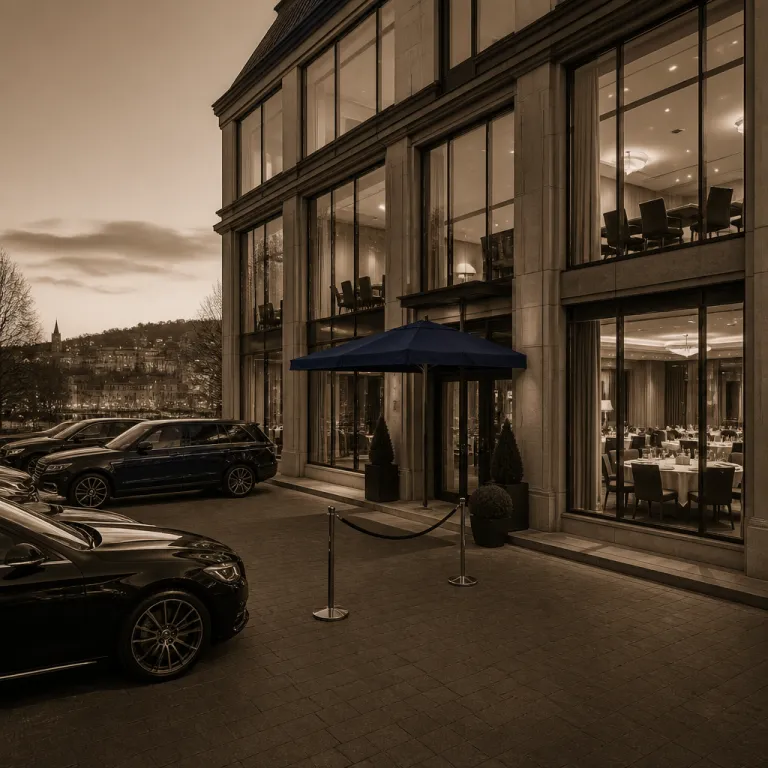
From “no meeting” to high value: what frognerhouse event spaces capacity means for booking engines
Frogner House in Oslo has quietly shifted from pure accommodation to a serious player in meeting and event spaces capacity. This evolution from a perceived gap in Frogner House meeting facilities into a structured portfolio of rooms forces booking technology to rethink how it handles small and midsize corporate demand. For OTA partners, PMS and CRS editors, digital directors, e commerce leaders, and hotel groups, this is not a side story but a live laboratory in Oslo Norway for next generation reservation flows.
At Frogner House Bygdøy Allé 53, four dedicated meeting rooms and event spaces now sit inside what many guests still perceive as a classic hotel Oslo style apartment property. That tension between house Oslo residential comfort and professional conference facilities is exactly where booking engines must become more granular, because the same room inventory can serve both long stay guests and half day workshops. When a venue is located in a central city district like Frogner, a booking engine that cannot express flexible hour day use, hybrid layouts, and ancillary services will simply leak revenue to more agile competitors.
The earlier narrative that Frogner House offered no meaningful meeting capacity also intersects with how Oslo city markets itself as a compact, walkable MICE destination. Corporate planners want to combine a morning meeting room near Karl Johan gate Oslo with an afternoon visit to a museum or the Oslo opera house, then fly out from Oslo airport the same day. A booking engine that understands this pattern must connect hotel, venue, and city center context in one flow, rather than treating conference rooms as static add ons hidden behind generic request forms.
Executive summary: Oslo’s mixed portfolio of apartment style hotels, boutique venues, and traditional conference properties exposes the limits of legacy booking engines that were built for overnight stays, not hour based events. Frogner House Bygdøy Allé 53 and nearby venues such as BA3, To Søstre at Sommerro, and F6 illustrate how nuanced capacity, layout, and timing rules need to be modelled directly in PMS, CRS, and OTA interfaces. Operators that structure this data, support hour based availability, and surface city context within the booking flow report higher enquiry conversion and better revenue per available meeting hour, even when controlling for seasonality.
Why Oslo’s fragmented venues expose the limits of legacy booking engines
Look closely at Frogner and you see a microcosm of Oslo city meeting demand that legacy engines struggle to model. Frogner House Bygdøy Allé 53 offers four meeting rooms with a largest meeting room capacity of around 50 people, while BA3 focuses on intimate private dining, To Søstre at Sommerro scales up to roughly 65 seated, and F6 flexes between about 40 seated and 90 standing. For booking systems, this fragmented meeting and event capacity landscape means that a single city centre postcode hides radically different revenue profiles and availability rules.
Traditional hotel booking engines were built to sell a room per night, not a meeting room per hour or a venue per day with complex food and beverage minimums. When a digital director tries to surface BA3 as a premium venue for a three hour day board retreat, the engine often forces them into awkward workarounds, because its data model still assumes standard hotels and conferences with fixed packages. This is why serious players now run structured booking engine A B testing on conversion for meeting and event flows, using rigorous metrics and methodology as outlined in specialist resources on booking engine A B testing for hotels.
Oslo Norway adds another layer of complexity through its compact geography and transport infrastructure. A planner may compare a central venue near the Oslo opera and city center with a Clarion Hotel or Radisson Blu property closer to Oslo airport, balancing transfer time against conference facilities quality and price. If the booking engine cannot express these trade offs clearly, OTA partners and CRS editors lose the chance to steer demand intelligently between hotel Oslo properties, stand alone venues, and hybrid house Oslo style apartments with flexible meeting rooms.
Designing booking engines around real event capacity, not generic meeting labels
Capacity is not just a number on a factsheet; it is the backbone of how a booking engine should structure its product graph for meetings. Frogner House Bygdøy Allé 53, BA3, To Søstre at Sommerro, and F6 illustrate four distinct capacity archetypes inside one Oslo city district, from 36 person private dining to 100 guest standing receptions. When booking technology treats all of them as a single “meeting” product type, it erases the very Oslo meeting and event capacity nuances that drive high value corporate decisions.
For PMS and CRS editors, the first step is to model capacity in multiple dimensions rather than a single max figure. A meeting room in Frogner might hold 50 theatre style, 30 classroom, or 20 U shape, while a venue like BA3 can host up to 100 guests for parties and celebrations and F6 can accommodate up to 90 people for events without dining. These structured capacity attributes then feed into booking engines that can present Oslo city center options alongside airport adjacent hotels such as a Radisson or Thon Hotel, allowing planners to filter by layout, hour based use, and day based buyouts.
High value demand also depends on how capacity interacts with time and transport. A corporate client may want a three hour day strategy session near Karl Johan, followed by an evening at the Oslo opera or a visit to the Holmenkollen ski jump, before returning to a Scandic or Clarion Hotel near the city center. Case studies on how event spaces capacity reshapes booking engines for business demand, such as those focused on European city properties, show that engines which expose these capacity time patterns convert better than those that hide them behind manual request forms. One Oslo based operator, for example, reported a double digit uplift in meeting enquiry conversion and a notable increase in revenue per available meeting hour after introducing hour based inventory and layout specific filters, compared with the previous full day only model.
From static inventory to dynamic meeting products in Oslo Norway
Static inventory thinking is the main reason many hotel groups under monetize their meeting rooms in Oslo. A room that appears as “unavailable” for a full day might still be perfectly sellable for a two hour morning workshop or a late afternoon hybrid event, especially in a central district like Frogner where local companies value short travel times. When booking engines cannot handle this granularity, the story of underused meeting capacity becomes one of missed micro segments rather than optimized yield.
To change this, CRS and PMS editors need to treat meeting rooms as dynamic products with time sliced availability, not just as binary free or blocked spaces. A venue located near the city center museum cluster or close to the Oslo opera house can then be sold in flexible hour day combinations, with pricing rules that reflect peak conference seasons, local events, and airport traffic patterns. Digital directors who integrate these rules into their booking engines often pair them with performance frameworks such as the sub 60 second benchmark for booking engine speed, as discussed in specialist analyses on booking engine speed and conversion.
Oslo airport connectivity also shapes how dynamic these products must be. A planner flying in for a single day may prefer a Radisson Blu or Thon Hotel near the terminal for a short meeting, while a multi day conference might prioritize a hotel Oslo property in the city center with richer conference facilities and easier access to Karl Johan gate Oslo. Booking engines that can express these trade offs in real time, rather than forcing users through generic filters, will capture more of the meetings and conferences market that currently leaks to offline channels.
Connecting OTA, PMS, and CRS data to Oslo’s real meeting behaviour
Technology fragmentation is now the biggest barrier between Oslo’s rich venue ecosystem and the planners who want to use it. OTA platforms often hold the most detailed search data on when users look for a meeting room versus a standard hotel room, but PMS and CRS systems control the actual inventory and pricing. Without a shared language for meeting and event spaces capacity in districts like Frogner, these insights never translate into better products for the city’s corporate clients.
For OTA partners, the opportunity lies in surfacing more granular filters and content for Oslo city centre meetings, such as “near Oslo opera”, “walking distance to museum”, or “close to Karl Johan”. PMS and CRS editors then need to tag each venue and hotel Oslo property with structured attributes like meeting rooms count, maximum conference rooms capacity, and distance to Oslo airport or key city center landmarks. When this data flows cleanly, a planner can compare a Clarion Hotel in the city center, a Radisson Blu near the airport, and a house Oslo style venue in Frogner within the same interface.
Groups that operate multiple hotels and venues across Oslo Norway can go further by building cross selling logic into their booking engines. If a chosen meeting room is unavailable for the desired hour, the engine should propose alternative rooms or venues in the same city center cluster, or suggest a nearby Scandic or Thon Hotel with similar conference facilities. This is where structured conferences data, including room layouts and hour day pricing, becomes a commercial asset rather than a static brochure entry.
How Oslo venues are redefining the guest journey for meetings and events
Meeting guests in Oslo no longer think in silos of “hotel” versus “venue”; they think in journeys. A team might land at Oslo airport in the morning, hold a three hour meeting near the city center, visit the Oslo opera or a museum in the afternoon, and then fly out the same day. Booking engines that still treat conference rooms as back office products cannot support this fluid behaviour, especially when flexible Frogner House event spaces are marketed alongside traditional hotels.
Venues like BA3, To Søstre at Sommerro, F6, and Frogner House Bygdøy Allé 53 show how flexible spaces can anchor these journeys. A planner could book a morning strategy session in a Frogner meeting room, move to a private dining venue for lunch, and then shift to a larger conference facilities space for an afternoon town hall, all within a compact Oslo city footprint. When booking engines expose these combinations clearly, with transparent capacity, hour based pricing, and location data relative to Karl Johan gate Oslo or the ski jump, conversion rates for high value meetings rise significantly.
One practical way forward is to embed curated “meeting journeys” into booking flows for hotel Oslo properties and stand alone venues. A Radisson Blu or Clarion Hotel in the city center might offer a package that includes a meeting room, tickets to the Oslo opera house, and transfers to and from Oslo airport, while a Scandic or Thon Hotel could focus on day delegate offers with flexible room use. As one venue summary puts it with clarity that every booking engine should mirror, “The largest meeting room can accommodate about 50 people. BA3 can host up to roughly 100 guests for parties and celebrations. Yes, To Søstre provides in house catering services. F6 can accommodate up to around 90 people for events without dining.”
Key figures on Oslo meeting and event capacity
- Frogner House Bygdøy Allé 53 offers four dedicated meeting rooms, with the largest meeting room accommodating around 50 people, positioning it as a midsize conference option within the Oslo city center market.
- BA3 provides seated private dining capacity for approximately 36 people and can host up to about 100 guests for standing parties, making it a high yield venue for corporate receptions and incentive events in Oslo Norway.
- To Søstre at Sommerro delivers seated capacity for roughly 65 guests with in house catering, aligning it with medium scale conferences and brand launches that require both conference rooms and premium food and beverage service.
- F6 can seat around 40 guests for dining and host up to approximately 90 people for non dining events, offering flexible conference facilities that complement more traditional hotel Oslo meeting rooms.
- Across these four venues in the Frogner district, total seated capacity exceeds an estimated 190 guests, while maximum standing capacity surpasses roughly 240, illustrating how a single city district can rival larger conference hotels in aggregate event space.
These figures are based on publicly available venue descriptions and operator provided summaries as of the latest published information. Exact capacities may vary by layout, event type, and regulatory requirements, so booking engines should always reference the most current data from each property’s official specifications when modelling availability and pricing.
FAQ about booking engines and Oslo meeting capacity
How should booking engines model Frogner House meeting capacity ?
Booking engines should treat Frogner House Bygdøy Allé 53 as a multi product venue with four distinct meeting rooms, each with its own capacity, layout options, and hour day availability. Rather than a single “meeting” flag, the PMS or CRS should expose structured data for maximum capacity, preferred layouts, and ancillary services like catering or audiovisual support. This allows OTA partners and hotel groups to position Frogner House accurately against traditional conference hotels in Oslo city.
What makes Frogner a strategic district for meetings in Oslo Norway ?
Frogner combines residential charm with proximity to the city center, museums, and key business addresses, making it attractive for both local and international meetings. Venues such as BA3, To Søstre at Sommerro, F6, and Frogner House create a dense cluster of flexible rooms and event spaces within a short travel time of Karl Johan and the Oslo opera house. For booking engines, this means that local meeting and event spaces capacity must be surfaced as a coherent micro destination rather than isolated listings.
How can OTA and hotel groups better connect airport and city center meeting demand ?
OTA platforms and hotel groups should present Oslo airport and city center options within a single search journey, allowing planners to compare Radisson Blu, Clarion Hotel, Scandic, and Thon Hotel properties by transfer time, conference rooms capacity, and proximity to venues like Frogner House. By tagging each meeting room and venue with structured location and capacity data, booking engines can recommend city center rooms for longer conferences and airport hotels for short day meetings. This integrated view reduces friction and keeps high value corporate demand within digital channels.
Why is hour based availability critical for Oslo meeting rooms ?
Many Oslo meetings are short, often two to four hours, especially for local companies that want to minimize time away from the office. If booking engines only support full day blocks, venues like Frogner House, BA3, To Søstre, and F6 cannot fully monetize their meeting and event spaces capacity. Hour based availability and pricing allow PMS and CRS systems to sell multiple meetings in the same room per day, significantly improving revenue per square metre.
What role do A B tests play in improving meeting booking flows ?
A B testing allows digital directors and e commerce teams to compare different ways of presenting meeting rooms, capacity information, and Oslo city context within the booking engine. By measuring conversion, lead quality, and time to complete a booking, they can identify which layouts and content best support planners choosing between hotel Oslo properties, house Oslo style venues, and central conference facilities. Over time, these tests help align the digital experience with how real planners think about Oslo Norway as a compact, connected meetings destination.