From cedarcourthotels co uk data to UX vision for Cedar Court Wakefield
The search intent behind “cedarcourthotels co uk cedar court wakefield conference facilities capacity” is highly transactional, and it demands a booking journey that surfaces hard facts early. For OTA partners, PMS and CRS vendors, digital leaders, e-commerce managers and hotel groups, this means structuring content so that maximum capacity, number of meeting room options and conference facilities are visible within the first scroll. When a planner lands on a venue page, they want to know in seconds whether a court hotel in West Yorkshire can host 50 or 800 capacity delegates for their preferred event type.
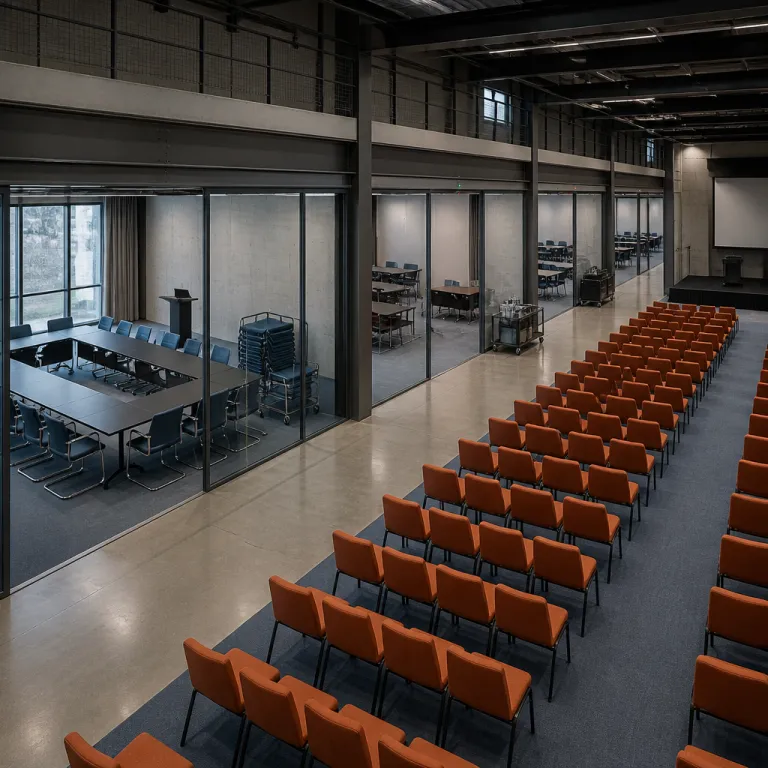
Cedar Court Hotel Wakefield offers a concrete benchmark for this UX challenge, with conference facilities that include up to 15 flexible spaces and a largest conference room officially advertised as accommodating up to 800 guests. According to the hotel’s own meeting and events specifications (for example, the Meetings & Events Factsheet – Cedar Court Hotel Wakefield PDF and the dedicated meetings page on cedarcourthotels co uk), this main suite offers approximately 510 square metres of pillar free space, which supports a wide range of layouts. A booking flow that reflects this reality should allow users to filter by capacity delegates, event type and layout, then instantly see which meeting room or Cedar Suite matches their needs. When the booking engine mirrors the physical inventory of the court hotels portfolio, conversion rates rise and OTA or direct channels become a reliable base business engine rather than a leaky funnel.
On cedarcourthotels co uk, the Wakefield property can be positioned as a regional conference hub for Yorkshire, sitting strategically between Leeds City, Bradford and Harrogate. Clear UX signposting of motorway access, on site parking and hybrid meeting capabilities reassures planners who must justify travel time and total cost of hire to their own management. The more precisely the digital experience reflects the real world strengths of the Cedar Court Hotel Wakefield conference facilities capacity, the less friction the events team will face in handling calls, emails and offline quotes.
Designing the booking journey around capacity, space and event type
For high intent searches such as “cedarcourthotels co uk cedar court wakefield conference facilities capacity”, the booking journey should start with capacity and space, not with generic brand storytelling. A planner looking at Cedar Court in Wakefield is usually comparing several hotels in Yorkshire, and they need to understand in one glance which event space can host their board meeting, training day or large scale conference. This is where structured UX, powered by PMS and CRS data, becomes a decisive commercial advantage.
On a single screen, the user should see each meeting room, its capacity delegates in different layouts, and whether it benefits from natural light or is better suited to a private evening event. To support rapid scanning, this information should be presented in a compact capacity table or grid, ideally with a link to download the official floorplan PDF for deeper review. Labels such as “Cedar Suite”, “space evergreen” or “conference hub” are only meaningful if they are paired with precise metrics, such as 800 people theatre style or 200 for a cabaret event type, as stated in the hotel’s official capacity charts. When OTA interfaces and direct booking engines expose this granularity, planners can rapidly shortlist the right conference room or event space without calling the hotel team for basic information.
For groups like Cedar Court Hotels, which operate in Bradford, Harrogate, Wakefield and near Leeds City, harmonising this capacity led UX across all court hotels is essential. A planner comparing a hotel Bradford option with the Cedar Court Hotel Wakefield should see identical filters for meeting, private hire, parking and city centre access. To align this with broader reservation strategy and service design, digital leaders can draw on frameworks described in analyses of how hospitality goes beyond customer service in modern hotel reservation strategies, ensuring that every click supports both guest satisfaction and revenue optimisation.
Translating physical assets into digital UX: rooms, light and layout
One of the most underused assets in conference UX is the sensory quality of the space, especially natural light and flow between rooms. At Cedar Court Hotel Wakefield, the largest room can host up to 800 people, yet what often convinces planners is how that conference room connects to breakout areas, foyer space and outdoor zones. A booking journey that simply lists square metres and capacity delegates misses the emotional reassurance that comes from seeing how people will move, meet and stay connected during the day.
High performing OTA pages and direct engines now combine capacity tables with visual storytelling that remains strictly factual. Floor plans, 360 degree views and photography that highlights natural light in a meeting room or Cedar Suite help planners imagine their event type in situ. These assets should be sourced directly from the hotel’s official floor plan library and meetings-spec PDFs so that dimensions, fire regulations and maximum capacities remain credible. When these visuals are tagged in the PMS or CRS with attributes such as “hybrid meeting ready”, “space evergreen for training” or “private hire with adjacent bar”, the booking interface can dynamically surface the right room for each query.
Phone and human support still matter in this digital context, especially for complex conference facilities or multi day events. Clear UX patterns, such as a persistent “speak to our events team” banner with a visible phone number, have been shown to transform the booking journey in case studies like the one on how a clearly signposted main phone number reshaped the Leopold Hotel Sheffield path to purchase. For Cedar Court Hotels, integrating this approach across Wakefield, hotel Bradford and Harrogate properties ensures that digital and human channels work as one, reducing friction while protecting high value base business.
Integrating PMS, CRS and OTA data for a seamless Cedar Court journey
Behind every elegant booking flow for “cedarcourthotels co uk cedar court wakefield conference facilities capacity” lies a robust data architecture. PMS and CRS platforms must hold accurate, real time information on each meeting room, from dimensions and maximum capacity delegates to whether the space has natural light or built in audio visual equipment. When this data is incomplete or inconsistent across court hotels, the user experience fragments and OTA partners struggle to present reliable options.
For Cedar Court Hotel Wakefield, the PMS should treat each conference room, Cedar Suite and event space as a distinct, bookable product with its own attributes. These attributes include whether the room is suitable for a hybrid meeting, if it offers free high speed Wi Fi to help delegates stay connected, and whether on site parking is adjacent or a short walk away. When CRS and channel managers expose these fields to OTA and GDS partners, planners searching for hotels in Yorkshire or near Leeds City receive filters that actually match their operational needs.
Groups that operate both city centre properties and out of town venues, such as a hotel Bradford or a court hotel near Wakefield, can use this structured data to position each asset clearly. A city centre hotel might emphasise rail access and evening private hire, while Cedar Court Wakefield highlights motorway links, large conference facilities and generous parking space. To decide where to prioritise investment between mobile web, native app or OTA partnerships, digital leaders can rely on conversion data analyses such as those comparing hotel app versus mobile web performance for direct channels, aligning UX decisions with measurable revenue outcomes.
Designing for planners’ behaviour: from first search to confirmed event
Event planners rarely book a conference hub in a single session, especially when they are responsible for hundreds of capacity delegates. They compare several hotels in Yorkshire, request multiple quotes and often revisit the same cedarcourthotels co uk pages from different devices before committing. A resilient booking journey for Cedar Court Hotel Wakefield must therefore support multi session behaviour, not just single click conversions.
Saving and sharing options are critical, particularly for corporate clients who need internal approval before confirming a meeting or private hire. Allowing users to export a tailored proposal for a specific meeting room, including capacity, layout, catering and parking details, turns the website into a sales tool for the planner’s own organisation. When this proposal clearly references the Cedar Court brand, the exact court hotel, the chosen conference room and any add ons such as hybrid meeting technology, it reduces back and forth with the hotel team and accelerates decision making.
Behavioural data from PMS, CRS and web analytics can then be used to refine UX over time. If planners frequently abandon the process when selecting an event type or adjusting capacity delegates, it may indicate that the interface does not reflect real world constraints of the Cedar Court Wakefield conference facilities. By aligning filters with actual inventory, such as clearly marking which spaces and evergreen training rooms are available on specific days, digital teams can reduce frustration and increase the proportion of planners who move from browsing to confirmed base business.
Human centric service design across Cedar Court Hotels and regional markets
While technology underpins the booking journey, the perceived quality of service still defines whether planners choose Cedar Court Hotels over competing venues. A user who searches for “cedarcourthotels co uk cedar court wakefield conference facilities capacity” expects not only accurate data but also a sense that the events team understands their pressures. This is where human centric content, written in clear language and supported by responsive service, becomes a differentiator.
Venue pages for Cedar Court Hotel Wakefield, hotel Bradford and Harrogate properties should highlight the expertise of the on site team, not just the hardware of conference facilities. Short case studies that explain how the team managed a complex Bradford meeting, a hybrid event near Leeds City or a multi day conference with 800 capacity delegates in Wakefield provide social proof without resorting to generic marketing claims. FAQ sections that answer practical questions about parking, free Wi Fi, natural light in specific rooms and how to stay connected during long training days reduce anxiety for planners who must justify every euro or pound they spend.
As one of the most common questions from planners is “What is the largest room capacity ?”, the answer must be explicit and consistent across all channels. “What is the largest room capacity ?” is answered by stating that the largest room at Cedar Court Hotel Wakefield accommodates up to 800 people, and this figure should be drawn from the hotel’s official specifications and appear identically in OTA listings, direct booking engines and sales collateral. To reinforce trust, the same number should be visible in a concise capacity table and in any downloadable floorplan or meetings factsheet. When digital journeys, human service and factual content are aligned in this way, Cedar Court Hotels can position their regional portfolio as a reliable conference hub for Yorkshire, capable of hosting everything from intimate private hire dinners to large scale conferences that anchor long term base business.
Key figures for Cedar Court Wakefield conference UX and capacity
- The largest conference room at Cedar Court Hotel Wakefield accommodates up to 800 people, which positions the venue among the higher capacity conference facilities in West Yorkshire for single room events. This figure is based on the hotel’s published meeting and events specifications (including the official meetings PDF) and should be validated regularly against current fire and safety regulations.
- The property offers around 15 meeting rooms, allowing digital booking journeys to present a wide range of event type options, from small board meetings to multi room training programmes. A simple room matrix or downloadable floorplan pack can help planners compare these spaces at a glance.
- The largest space is approximately 510 square metres, so UX designers can confidently promote large scale layouts such as theatre style, cabaret or exhibition setups within the booking engine, provided that the capacity tables in the PMS match the official floor plans and meeting-spec documents.
- Conference facilities are available year round, with daily availability subject to booking, which means OTA and direct channels must handle ongoing demand rather than seasonal peaks only.
- On site parking is ample and directly connected to the hotel, a factor that should be highlighted in all digital journeys for planners who are comparing out of town venues with constrained city centre properties.
- To make these figures machine readable, Cedar Court Hotels can implement structured data such as Hotel and Event schema, marking up room capacities, parking, Wi Fi and contact details so that search engines and OTA partners can verify and reuse the same authoritative information. A lightweight JSON-LD snippet embedded on the meetings page can carry this data without disrupting the visual design.
FAQ about Cedar Court Wakefield booking journeys and conference design
What is the largest room capacity at Cedar Court Hotel Wakefield ?
The largest room at Cedar Court Hotel Wakefield accommodates up to 800 people, making it suitable for large conferences, product launches or gala dinners. This capacity is taken from the hotel’s official meeting and events documentation (including the meetings factsheet PDF and capacity chart) and should be clearly visible in all booking interfaces and OTA listings. When planners search for “cedarcourthotels co uk cedar court wakefield conference facilities capacity”, this figure is usually their first decision filter.
Are catering services available for conferences and meetings ?
Catering services are provided on site at Cedar Court Hotel Wakefield for a wide range of event types, from simple coffee breaks to full banqueting menus. Digital booking journeys should allow planners to select catering packages alongside room hire, rather than treating food and beverage as an offline add on. This integration helps OTA partners and direct channels present more accurate total cost estimates and keeps proposals aligned with the hotel’s published menus and event-spec PDFs.
Is there on site parking for delegates at Cedar Court Wakefield ?
There is ample on site parking at Cedar Court Hotel Wakefield, which is a major advantage over many city centre venues with limited space. UX copy should highlight this benefit early in the booking journey, especially for events drawing delegates from Leeds City, Bradford or Harrogate by car. Clear mapping and signage information, ideally supported by annotated site plans or 360 degree arrival views, reduces pre event anxiety for attendees.
How can PMS and CRS data improve the Cedar Court Wakefield booking experience ?
Accurate PMS and CRS data ensures that each meeting room, Cedar Suite and event space is represented correctly in digital channels, including capacity, layout options and availability. When this data feeds both OTA platforms and the direct booking engine, planners receive consistent information wherever they search. This consistency reduces manual intervention by the hotel team and increases conversion for high value base business, especially when combined with structured data markup that signals authoritative figures to search engines.
What booking methods are available for Cedar Court Wakefield conference facilities ?
Planners can reserve Cedar Court Hotel Wakefield conference facilities through online booking forms, phone reservations or in person enquiries. A well designed digital journey should make online booking the most efficient option while still clearly signposting phone and email contacts for complex events. This multi channel approach respects different planner preferences and supports higher overall conversion, while ensuring that every enquiry is backed by the same verified capacity tables, floor plans and pricing rules stored in the PMS and CRS.
