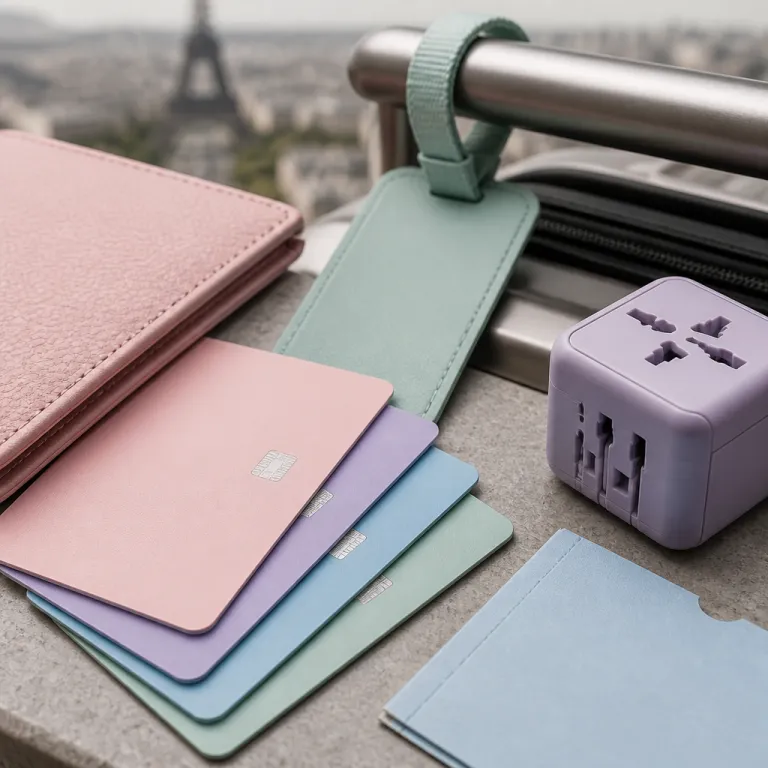
Section 1 – Why the business stay in Paris demands a different booking journey
Paris concentrates corporate headquarters, Fortune Global 500 companies, and a dense network of meeting venues, so a business stay in Paris is rarely a simple leisure booking. Business travelers arrive with tight agendas, shifting meetings, and complex expectations about the hotel, the apartment, or hybrid serviced apartments they will use. For OTA partners, PMS and CRS editors, digital directors, e‑commerce managers, and hotel groups, this means the booking journey must anticipate work‑related constraints rather than just promote a pleasant trip.
Business travel to Paris follows a recurring pattern of planning, booking, travel, and meetings, yet each stay can change at the last minute because of client demands or transport disruptions. The reservation path must therefore surface flexible policies, clear information about rooms and room types, and transparent options for parking or public transport access in the city centre. When the interface fails to show how a Paris hotel supports a fast check‑in, late check‑out, or a quiet room for calls, the guest will simply move to other business hotels or serviced apartments that communicate better.
Paris is a global business hub with numerous multinational companies. This reality shapes every decision around Paris hotel inventory, from compact studio‑style units near La Défense to larger furnished apartment rentals close to the Champs‑Élysées or Paris Porte de Versailles. For digital teams, the challenge is to translate this economic gravity into UX patterns that guide each business trip towards the right location, the right room, and the right services in just a few clicks. According to the Paris Region Key Figures 2023 report (Paris Region Institute, 2023), the regional GDP was estimated at around €765 billion in 2021, and the area hosts 29 Fortune Global 500 company headquarters (Paris Region Institute, 2023), confirming why corporate demand remains structurally strong.
Section 2 – Mapping the business booking journey for Paris: from search to confirmation
When a professional starts planning a business stay in Paris, the first step is rarely emotional; it is operational. They search for Paris hotels near a client office, a congress centre, or a transport hub, and they expect the interface to filter Paris accommodation options by distance, travel time, and meeting schedule. OTAs and business hotels that still prioritise generic city views over precise location data lose relevance for this audience.
A robust booking journey for business travel in Paris should structure search results around use cases such as “one night near Gare de Lyon”, “three nights in a business hotel close to the Champs‑Élysées”, or “a furnished apartment in Paris for a month‑long project”. Each scenario requires different room types, from compact rooms with excellent soundproofing to a larger one‑bedroom unit with a separate workspace and reliable Wi‑Fi. Linking these needs to clear filters, intuitive maps, and contextual prompts to check availability is far more effective than pushing star‑hotel rankings alone.
Once the traveller has shortlisted a Paris hotel property, the path to confirmation must be radically simple, with minimal steps and no hidden fees. Case studies on navigating hotel reservation challenges in dense urban areas, such as those analysed in this article on reservation challenges in a busy business district, show that clarity around taxes, parking, and cancellation rules significantly reduces abandonment. For Paris business segments, surfacing corporate rates, loyalty benefits, and flexible change policies early in the flow is essential to convert both individual business trip bookings and managed travel programmes. In practice, many hotel and OTA teams track funnel metrics such as search‑to‑cart and cart‑to‑confirmation conversion; even a 2–3 percentage point improvement in the latter, driven by clearer pricing and policy displays, can translate into substantial incremental revenue on high‑volume Paris routes.
Section 3 – UX priorities for business travelers: clarity, control, and context
Professionals booking a business stay in Paris want three things from the digital experience: clarity about what they are buying, control over options, and context about how the stay supports their work. Clarity starts with honest, detailed descriptions of rooms, apartments, and shared spaces, including square metres, desk quality, and acoustic comfort. It also means specifying whether parking is available on site or nearby, whether Wi‑Fi is free, and how long it takes to reach the city centre or the main business districts.
Control is expressed through flexible dates, easy modifications, and transparent upgrade paths between a standard room, a larger bedroom, or a full apartment rental in Paris. Business travelers often extend a trip into the weekend or add colleagues at short notice, so the UX should make it simple to adjust the stay, change room types, or move from a hotel to a furnished apartment without starting the booking again. Interfaces that allow guests to check availability across multiple Paris hotels within the same group, and to compare apartment‑style layouts or serviced apartments, create a sense of empowerment that drives loyalty.
Context is what transforms a functional booking into a tailored business travel solution, and hospitality brands can learn from curated experiences such as this guide to matching lodging style to trip purpose. For a business hotel near the Eiffel Tower or in the Paris Porte de Versailles area, context might mean highlighting meeting room capacities, co‑working spaces, or partnerships with nearby restaurants that offer fast service. For a longer stay in a Paris rental apartment, context could focus on laundry facilities, kitchen equipment, and neighbourhood services that make a month‑long assignment feel manageable. Teams can monitor task‑completion rates on key actions such as “find a room with a desk” or “locate parking information”; when more than 80–85% of users complete these tasks without assistance, it is a strong indicator that clarity, control, and context are aligned with business‑traveller expectations.
Section 4 – Designing inventory presentation for hotels, rooms, and apartments in Paris
Inventory presentation is where many digital journeys for a business stay in Paris still resemble leisure catalogues, with generic photos and vague room labels. For corporate guests, the difference between a standard room, a superior bedroom, and a one‑bedroom apartment can determine whether they can host a client meeting privately or must rent extra space. UX teams should therefore structure content around function, clearly explaining which rooms support focused work, informal meetings, or extended stays.
In practice, this means tagging each Paris hotel listing with attributes such as “quiet floor”, “ergonomic desk”, “multiple power outlets”, and “high‑speed Wi‑Fi included and free of charge”. Business hotels that also manage apartment‑style units or furnished apartments in Paris should present them in the same interface, allowing users to compare nightly rates with longer‑term rental pricing for a week or a month. Visual consistency between hotel rooms and apartments, combined with filters for amenities like parking, kitchen facilities, and laundry, helps guests quickly identify the best option for their specific business trip.
Brands such as ibis Paris illustrate how a clear hierarchy of room types, from compact city‑centre rooms to larger apartment‑style formats, can support different Paris business profiles. For OTAs and CRS editors, integrating this structure via API into search results allows corporate bookers to align policy rules with real‑world needs. Inspiration can also come from layouts that showcase spacious multi‑room suites for modern travelers, as seen in this article on designing digital journeys around suite‑style stays, which parallels the needs of executives seeking more space during a stay in Paris. To make these choices machine‑readable as well as human‑friendly, many teams now add structured data, such as JSON‑LD snippets describing room features (desk, Wi‑Fi, parking, kitchen), so search engines and corporate booking tools can better match inventory to business‑trip requirements.
Section 5 – Personalisation, data, and the role of PMS and CRS in Paris business travel
Behind every smooth booking journey for a business stay in Paris lies a robust data layer connecting OTA interfaces, PMS, and CRS platforms. When these systems share structured information about guest preferences, corporate contracts, and historical patterns of business travel, they enable meaningful personalisation without overwhelming the user. For example, a returning guest who previously booked a furnished apartment near the Champs‑Élysées for a month‑long project should see similar apartments and relevant business hotels surfaced first.
PMS and CRS editors can help hotel groups expose attributes that matter specifically for Paris business segments, such as proximity to La Défense, Paris Porte de Versailles, or key rail hubs. When this data flows into OTA search and brand.com engines, filters can prioritise business hotel options with strong weekday occupancy, consistently positive reviews from corporate guests, and clear information about parking and transport. Over time, analysing which Paris hotels convert best for each type of business trip allows revenue managers to refine packages, from bundled breakfast and Wi‑Fi to flexible check‑in and late check‑out windows.
Travel undertaken for work or business purposes. This simple definition of business travel hides a complex ecosystem of travel agencies, hotels, and transportation services that must coordinate around the city of Paris. For digital leaders, the priority is to ensure that every system touchpoint, from check‑availability widgets to post‑stay feedback forms, reinforces trust and reduces friction for both individual travellers and managed programmes. A practical KPI is the share of repeat corporate guests who book through direct digital channels; when personalisation and data sharing are effective, this proportion tends to rise steadily, signalling that the booking experience is aligned with the realities of Paris business mobility.
Section 6 – From booking to check out: closing the loop on the Paris business stay
The booking journey for a business stay in Paris does not end at confirmation; it extends through arrival, the stay itself, and post‑stay engagement. A seamless pre‑arrival flow, with clear directions from airports or rail stations, information about parking, and options for digital check‑in, sets the tone for the entire trip. Hotels and apartments that communicate proactively about room readiness, Wi‑Fi access, and any changes in city transport build confidence before the guest even reaches the lobby.
During the stay, digital tools should make it easy to adjust the reservation, whether extending a business trip by one night, upgrading from a standard room to a larger bedroom, or moving from a hotel to an apartment rental in Paris for a longer assignment. Mobile interfaces that allow guests to request a quiet room, book meeting spaces, or access invoices in real time reduce pressure on front desk teams and align with the expectations of Paris business travellers. After check‑out, structured feedback focusing on work‑related aspects, such as desk comfort, noise levels, and connectivity, helps refine both UX design and operational standards across Paris hotels.
For hotel groups, OTAs, and technology partners, the objective is to create a virtuous circle where each business stay in Paris generates insights that improve the next one. When great reviews highlight specific strengths, such as fast check‑in, reliable Wi‑Fi, or convenient city‑centre locations, these elements should be emphasised in future booking flows. Over time, this continuous improvement transforms the digital journey from a simple reservation tool into a strategic asset that supports Paris as a leading destination for global business.
Key figures shaping the Paris business travel landscape
- Paris Region generated an estimated €765 billion in GDP in 2021 according to the Paris Region Key Figures 2023 report (Paris Region Institute, 2023), underlining why demand for a business stay in Paris remains structurally strong across the year.
- The metropolitan area hosts 29 Fortune Global 500 companies as reported in Paris Region Key Figures 2023 (Paris Region Institute, 2023), which concentrates high‑value meetings and conferences and drives sustained demand for business hotels and serviced apartments.
- Business travel to Paris operates year‑round, with peaks around major trade fairs at Paris Porte de Versailles and other exhibition centres, requiring flexible inventory management in both hotels and apartment‑style rentals.
- Common transport modes for business travelers in Paris include air, rail, and road, which means booking journeys must integrate real‑time information about access from airports, mainline stations, and ring‑road exits.
FAQ about designing booking journeys for a business stay in Paris
What makes Paris different from other cities for business travel UX ?
Paris combines a high density of corporate headquarters, major exhibition centres, and tourist landmarks, so a business stay in Paris often mixes work and limited leisure. UX must therefore balance precise location data, such as distance to La Défense or Paris Porte de Versailles, with clear information about services like parking, Wi‑Fi, and meeting spaces. This complexity requires more granular filters and richer content than in smaller business destinations.
How should OTAs present hotels and apartments for business travelers in Paris ?
OTAs should structure search results around business use cases, such as one night near a station, several nights in the city centre, or a month‑long apartment rental for a project. Within each scenario, they should highlight room types, apartment layouts, and furnished apartment options with clear amenities and policies. Integrating PMS and CRS data allows them to surface corporate rates, flexible conditions, and properties with consistently great reviews from business guests.
Why is location so critical for a business hotel in Paris ?
Travel times in Paris can vary significantly depending on traffic, public transport, and event schedules, so location directly affects the success of a business trip. A hotel near the Champs‑Élysées, the Eiffel Tower, or Paris Porte de Versailles serves very different corporate needs, from client entertainment to trade‑fair access. Booking journeys that show real distances, estimated travel times, and nearby services help travelers choose the best property quickly.
How can PMS and CRS systems support better booking journeys for Paris business segments ?
PMS and CRS platforms can expose detailed attributes about rooms, apartments, and services, such as desk quality, noise levels, and proximity to business districts. When this data is shared with OTAs and brand websites, it enables more precise filters and personalised recommendations for each type of business stay in Paris. Over time, analysing conversion and satisfaction data helps refine both product design and digital UX.
What flexibility features matter most to business travelers booking Paris hotels ?
Business travelers prioritise flexible cancellation, easy date changes, and the ability to modify room types or extend a stay without penalties. They also value options for early check‑in, late check‑out, and seamless upgrades from a standard room to a larger bedroom or apartment rental in Paris. Booking journeys that make these options visible and simple to manage reduce friction and increase loyalty among Paris business guests.
