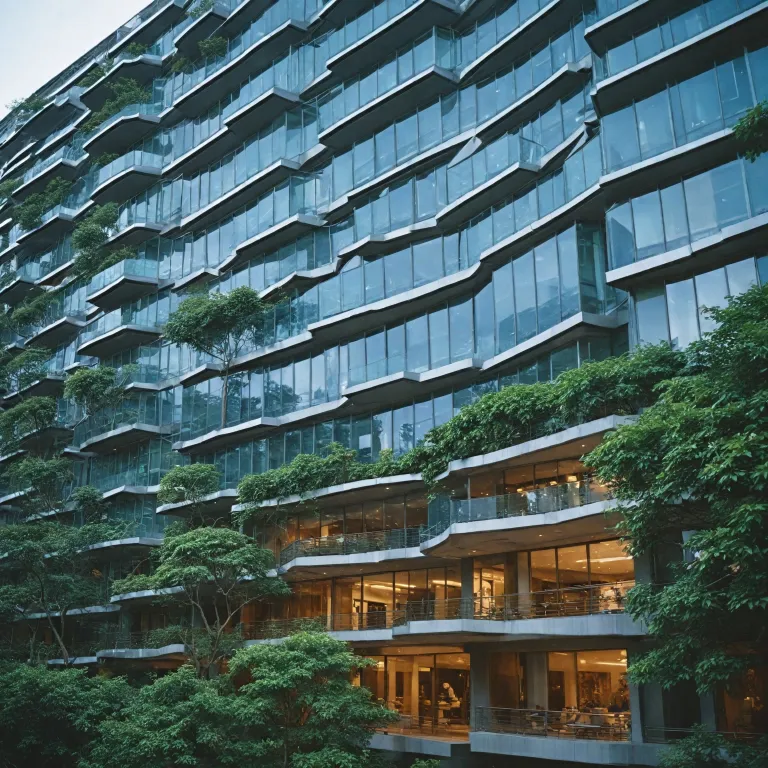
Design-driven hospitality: taipei s hotel as a benchmark for boutique excellence
Taipei’s hotel sector has evolved into a dynamic showcase of design and innovation, with the S Hotel standing as a prime example. Located in the vibrant Songshan district, this boutique hotel reflects the city’s commitment to blending art, culture, and technology. The S Hotel, designed by the renowned Philippe Starck, offers a unique hospitality experience that integrates Eastern and Western aesthetics, making it a focal point for travelers and industry professionals alike. The hotel’s 103 rooms are meticulously crafted, utilizing Italian Carrara white marble and signature furnishings such as gold and silver tree stools. Each room features advanced amenities, including air conditioning and B&O portable speakers, ensuring comfort and connectivity for guests. The design philosophy extends to public spaces, where extensive use of mirrors and curated art pieces create an immersive environment. This approach positions taipei s hotel as a leader in the collection hotel segment, setting new standards for boutique hotels in Taiwan. For OTAs, PMS & CRS editors, and e-commerce managers, the integration of design and technology at taipei s hotel offers valuable insights. The hotel’s digital infrastructure supports seamless check-in and check-out processes, enhancing the guest journey from booking to stay. By collaborating with designer Philippe Starck and Michelin star-trained chefs, the hotel demonstrates how partnerships can elevate both the guest experience and operational efficiency. The heart of taipei’s hospitality scene is now defined by such innovative, design-forward properties.Personalized guest journeys: leveraging digital tools for seamless reservation experiences
The reservation process at taipei s hotel exemplifies the shift toward personalized, guest-centric hospitality. Digital platforms enable guests to select their preferred room type, amenities, and even specific views of the city or district taipei. This level of customization is supported by robust PMS and CRS integrations, allowing for real-time updates and tailored offers that reflect guest preferences and booking history. E-commerce teams and digital directors benefit from the hotel’s commitment to data-driven decision-making. By analyzing guest behavior across multiple touchpoints—OTA channels, direct bookings, and loyalty programs—taipei s hotel refines its marketing strategies and enhances upselling opportunities. The result is a more efficient allocation of rooms and amenities, maximizing occupancy and revenue without sacrificing guest satisfaction. The hotel’s proximity to key attractions, such as the taipei arena and MRT taipei stations, further enhances its appeal. Guests can easily stroll taipei’s bustling neighborhoods, enjoy the restaurant bar, or explore the songshan district’s cultural offerings. For industry stakeholders, taipei s hotel serves as a model for integrating location-based services and digital guest engagement tools. For a deeper dive into best practices for digital transformation in hospitality, explore this comprehensive guide on optimizing hotel digital strategies at https://www.reservationstrategy.com/blog/elevating-the-guest-journey-how-hotel-elite-hotel-redefines-reservation-excellence.Art, culture, and culinary innovation: redefining the taipei hotel experience
Taipei s hotel distinguishes itself through a harmonious blend of art, culture, and gastronomy. The hotel’s design, curated by Philippe Starck, incorporates local motifs and international influences, creating a space that resonates with both domestic and international guests. The collaboration with Danish Michelin two-star chef Mikkel Maarbjerg at the in-house restaurant Hygge elevates the dining experience, offering a fusion of Nordic and Asian flavors. The restaurant bar is a destination in itself, attracting guests and locals seeking innovative cuisine and a sophisticated ambiance. Each dish reflects the hotel’s commitment to quality and creativity, with ingredients sourced from both Taiwan and abroad. This culinary approach not only enhances the guest experience but also positions taipei s hotel as a leader in the city’s competitive restaurant scene. For hoteliers and group executives, the integration of art and cuisine into the core hotel offering is a strategic differentiator. The hotel designed by Philippe Starck demonstrates how thoughtful design and culinary partnerships can drive brand loyalty and positive reviews. For more insights on leveraging cultural assets in hospitality, refer to this article on integrating local culture into hotel experiences at https://www.reservationstrategy.com/blog/elevating-operational-efficiency-with-a-hotel-maintenance-management-system.Operational excellence: optimizing room management and amenities in taipei hotels
Efficient room management is critical for maintaining high standards in taipei s hotel and across the city’s hospitality landscape. The hotel’s PMS and CRS systems enable real-time inventory updates, dynamic pricing, and personalized amenity selection. This ensures that guests receive the exact room and amenities they desire, from air conditioning to designer furnishings, while maximizing operational efficiency. The hotel’s 103 rooms are equipped with advanced features, including air conditioning, high-speed internet, and bespoke design elements by Philippe Starck. These amenities cater to the expectations of modern travelers, who value both comfort and style. The hotel’s location near the taipei arena and major MRT taipei stations further enhances its appeal, providing easy access for business and leisure guests alike. For OTAs and digital managers, the ability to synchronize room availability and rates across multiple platforms is essential. Taipei s hotel’s approach to inventory management serves as a benchmark for other hotels in the region.Strategic partnerships and brand positioning in the taipei hotel market
The success of taipei s hotel is rooted in its strategic partnerships and distinctive brand positioning. By collaborating with internationally recognized figures such as designer Philippe Starck and chef Mikkel Maarbjerg, the hotel has established itself as a collection hotel that appeals to discerning travelers. These partnerships enhance the hotel’s reputation and attract guests seeking unique, design-driven experiences. Brand positioning is further reinforced by the hotel’s location in the heart of taipei, within the songshan district. Proximity to the taipei arena, shopping centers, and cultural landmarks makes the hotel an ideal base for exploring the city. The hotel’s emphasis on personalized service, from seamless check-in to curated amenities, creates a lasting impression on guests and encourages repeat stays. For group hoteliers and e-commerce leaders, taipei s hotel offers valuable lessons in leveraging partnerships and brand storytelling. The hotel’s ability to integrate design, cuisine, and technology sets it apart in a competitive market. As the hospitality industry continues to evolve, such strategies will be essential for maintaining relevance and driving growth.Future trends: digital transformation and guest expectations in taipei’s hospitality sector
The future of taipei s hotel and the broader hospitality industry lies in continued digital transformation and evolving guest expectations. Hotels must invest in advanced PMS and CRS solutions to streamline operations, enhance guest personalization, and support dynamic pricing strategies. The integration of mobile check-in, smart room controls, and AI-driven recommendations will become standard features in leading taipei hotels. Guest expectations are shifting toward immersive, experience-driven stays that combine design, technology, and local culture. Taipei s hotel exemplifies this trend by offering rooms designed by Philippe Starck, curated art installations, and a restaurant bar led by a Michelin star-trained chef. The hotel’s commitment to innovation ensures it remains at the forefront of the city’s hospitality landscape. As digital tools become more sophisticated, OTAs, PMS & CRS editors, and digital directors must adapt their strategies to meet changing demands. The ability to deliver seamless, personalized experiences will define success in the competitive taipei hotel market. "The S Hotel was designed by internationally renowned French designer Philippe Starck." "The hotel is named after Barbie Hsu, also known as 'Big S', and reflects themes of love and happiness." "The hotel's restaurant, Hygge, offers a fusion of Nordic cuisine with Asian flavors, crafted by Danish Michelin two-star chef Mikkel Maarbjerg." These elements highlight the importance of authenticity and expertise in shaping the future of hospitality in taipei taiwan.Key statistics: taipei s hotel and the hospitality landscape
- Number of rooms at S Hotel: 103 rooms
- Hotel rating: 4 stars
Frequently asked questions about taipei s hotel
Who designed the S Hotel in Taipei?
The S Hotel was designed by internationally renowned French designer Philippe Starck.
What is the inspiration behind the S Hotel's name?
The hotel is named after Barbie Hsu, also known as 'Big S', and reflects themes of love and happiness.
What type of cuisine is offered at the S Hotel's restaurant?
The hotel's restaurant, Hygge, offers a fusion of Nordic cuisine with Asian flavors, crafted by Danish Michelin two-star chef Mikkel Maarbjerg.
