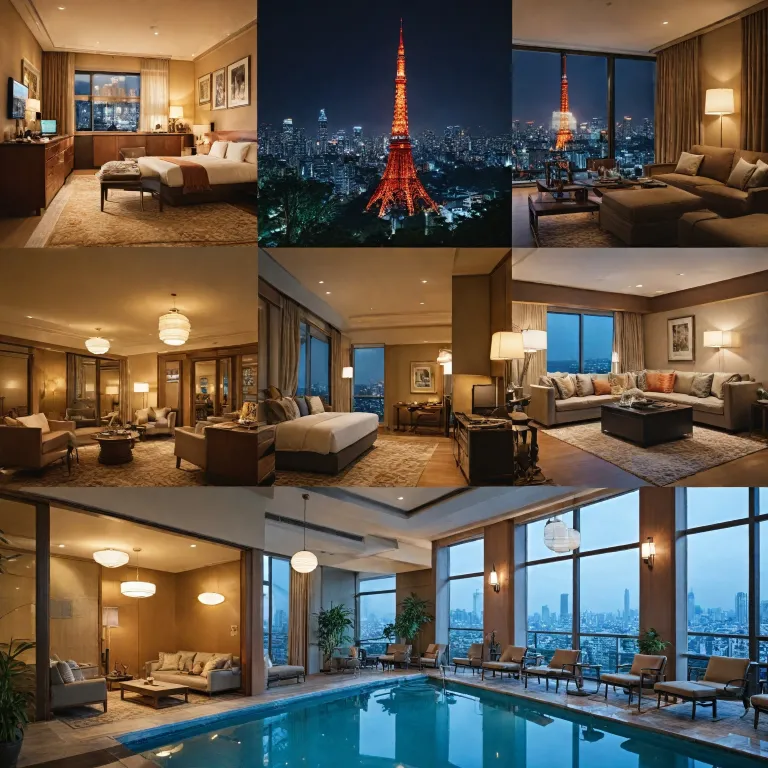
Understanding the landscape of top rated hotels in Tokyo
Tokyo stands as a beacon for modern hospitality, blending Japanese tradition with contemporary luxury. The city center is home to a diverse range of hotels, from five-star icons to boutique gems, each offering a unique style and class. For OTAs, PMS and CRS editors, digital directors, e-commerce managers, and hotel groups, understanding the nuances of the top rated hotels in Tokyo is essential for optimizing reservation strategies and guest satisfaction.
Hotels in Tokyo are renowned for their exceptional service, innovative design, and integration of modern Japanese elements. The best hotels feature floor-to-ceiling windows, offering panoramic views of the city and landmarks like Tokyo Tower. The Mandarin Oriental, Tokyo, for example, is celebrated for its luxury rooms, Michelin-starred dining, and wood accents that evoke a sense of tranquility. The Bvlgari Hotel Tokyo, located in the city center, exemplifies the fusion of Italian elegance and Japanese aesthetics, with rooms and suites spanning the upper floors of a skyscraper, providing breathtaking views.
When evaluating top rated hotels in Tokyo, it is crucial to consider guest reviews, recent awards, and the integration of technology within the booking process. The rise of modern Japanese style in hotel design, coupled with the demand for sustainability, has led to a new class of hotels that prioritize both comfort and eco-friendly practices. For professionals in the hospitality industry, leveraging these trends can enhance the booking experience and drive higher occupancy rates.
Key features that define the best hotels in Tokyo
The best hotels in Tokyo distinguish themselves through a combination of location, amenities, and personalized service. Proximity to the city center and major attractions, such as Aoyama Grand and Trunk Hotel, is a significant factor for travelers when they book a hotel. Many top rated hotels in Tokyo offer rooms with floor-to-ceiling windows, providing guests with stunning views of the skyline and iconic sites like Tokyo Tower.
Modern Japanese design is evident in the use of natural materials, such as wood, and minimalist aesthetics that create a serene atmosphere. The Peninsula Tokyo and Ritz Carlton are prime examples of luxury hotels that blend traditional elements with contemporary comfort. These hotels offer spacious rooms, advanced technology, and exclusive amenities, catering to both business and leisure travelers.
For OTAs and hotel groups, showcasing high-quality photos of rooms, views, and hotel facilities is essential for attracting guests. The integration of PMS and CRS systems allows for seamless booking and real-time availability updates. To further enhance the guest experience, many hotels in Tokyo provide special packages, low-rate promotions, and personalized services tailored to individual preferences. For a comprehensive overview of digital strategies in hospitality, refer to this resource on hotel digital transformation.
Reservation technology and its impact on Tokyo hotel performance
The evolution of reservation technology has transformed the way guests book hotels in Tokyo. Modern PMS and CRS platforms enable hotels to manage inventory, rates, and guest profiles efficiently, ensuring that the best rooms are always available to those seeking a top rated hotel in the city center. This technological advancement supports OTAs and e-commerce managers in delivering a seamless booking experience.
Hotels Tokyo are increasingly adopting mobile-friendly booking engines and integrating with global distribution systems to reach a broader audience. The use of real-time data analytics allows hotel groups to monitor booking trends, optimize pricing, and enhance guest satisfaction. The ability to check room availability instantly and view hotel photos and amenities online has become a standard expectation among travelers.
Luxury hotels such as Mandarin Oriental, Tokyo and Mesm Tokyo, Autograph Collection, leverage advanced reservation systems to offer personalized recommendations and exclusive benefits to repeat guests. These innovations not only improve operational efficiency but also contribute to higher guest loyalty and positive reviews. For insights into optimizing reservation technology, explore this guide on hotel booking systems.
Design trends: Modern Japanese style and the guest experience
Modern Japanese style has become a defining characteristic of the best hotels in Tokyo. This design approach emphasizes simplicity, natural materials, and a harmonious connection between indoor and outdoor spaces. Floor-to-ceiling windows, wood accents, and minimalist furnishings create a tranquil environment that appeals to both domestic and international guests.
Hotels such as Trunk Hotel and Aoyama Grand have embraced this trend, offering rooms that reflect the elegance and sophistication of Japanese culture. The use of ceiling windows allows for abundant natural light and unobstructed views of the city, enhancing the overall guest experience. Luxury hotels in Tokyo also prioritize spacious layouts, high-quality amenities, and personalized service to meet the expectations of discerning travelers.
For hospitality professionals, understanding the impact of design on guest satisfaction is crucial. The integration of modern Japanese elements not only elevates the aesthetic appeal of a hotel but also contributes to a sense of calm and relaxation.
Maximizing revenue through strategic booking and digital marketing
Effective revenue management is essential for maintaining the status of a top rated hotel in Tokyo. OTAs, digital directors, and e-commerce managers must leverage data-driven strategies to optimize room rates, occupancy, and guest satisfaction. The use of dynamic pricing models, informed by real-time market data, allows hotels to adjust rates based on demand and competition.
Digital marketing plays a pivotal role in attracting guests to hotels Tokyo. High-quality photos, virtual tours, and detailed descriptions of rooms and amenities help potential guests make informed decisions. The ability to book directly through a hotel’s website or mobile app, combined with special offers and loyalty programs, encourages repeat bookings and increases revenue.
Collaboration between hotel groups and technology providers ensures that reservation systems are integrated with marketing platforms, enabling targeted campaigns and personalized communications. The focus on delivering a seamless booking experience, from initial search to check-in, is key to maintaining a competitive edge in the city center. The quote, "Bvlgari Hotel Tokyo offers breathtaking views of the Imperial Palace, Tokyo Station, and Mount Fuji from its high-rise location," highlights the importance of unique selling points in digital marketing.
Future trends and opportunities for top rated hotels in Tokyo
The hospitality industry in Tokyo continues to evolve, with new trends shaping the future of hotel reservations and guest experiences. The growing emphasis on sustainability and eco-friendly practices is influencing the design and operation of modern hotels. Boutique hotels that offer personalized services and authentic Japanese experiences are gaining popularity among travelers seeking unique stays.
Technology will remain a driving force in the industry, with advancements in artificial intelligence, contactless check-in, and smart room controls enhancing the guest journey. The integration of PMS and CRS systems with guest feedback platforms allows hotels to respond quickly to changing preferences and maintain high standards of service. As Tokyo prepares for major international events, the demand for top rated hotels in the city center is expected to rise.
For hospitality professionals, staying informed about industry trends and leveraging innovative solutions is essential for success. The continued collaboration between OTAs, hotel groups, and technology providers will ensure that Tokyo remains a leader in luxury hospitality and guest satisfaction.
Key statistics on top rated hotels in Tokyo
- Number of Five-Star Hotels in Tokyo (Forbes Travel Guide): 5 hotels
- Mandarin Oriental, Tokyo's Reader Score (Travel + Leisure): 95.7 score
Frequently asked questions about top rated hotels in Tokyo
What are the top-rated hotels in Tokyo?
Some of the top-rated hotels in Tokyo include Mandarin Oriental, Tokyo; Bvlgari Hotel Tokyo; The Tokyo Station Hotel; and The Peninsula Tokyo.
Which Tokyo hotel offers the best views?
Bvlgari Hotel Tokyo offers breathtaking views of the Imperial Palace, Tokyo Station, and Mount Fuji from its high-rise location.
Are there any new luxury hotels in Tokyo?
Yes, Bvlgari Hotel Tokyo opened in April 2023 and has been recognized as one of the top hotels in the world.
Trusted sources for further information
- Travel + Leisure
- Condé Nast Traveler
- Forbes Travel Guide
